Why Well Water Testing Matters for Houston-Area Homeowners
Private wells give homeowners control over their water supply, but they also make routine testing the owner’s responsibility. Learn when to test, what local conditions can affect a well, and what to do if results raise concerns.
Aqua Star Team
Aqua Star Well and Septic, LLC
If your home in Hockley, Cypress, Tomball, or elsewhere in the greater Houston area relies on a private well, clear water and a familiar taste are not proof that it is safe. Some water-quality concerns have no noticeable smell, color, or flavor. Regular testing helps you understand what is in your water and respond before a problem affects household use.
Private wells need routine attention
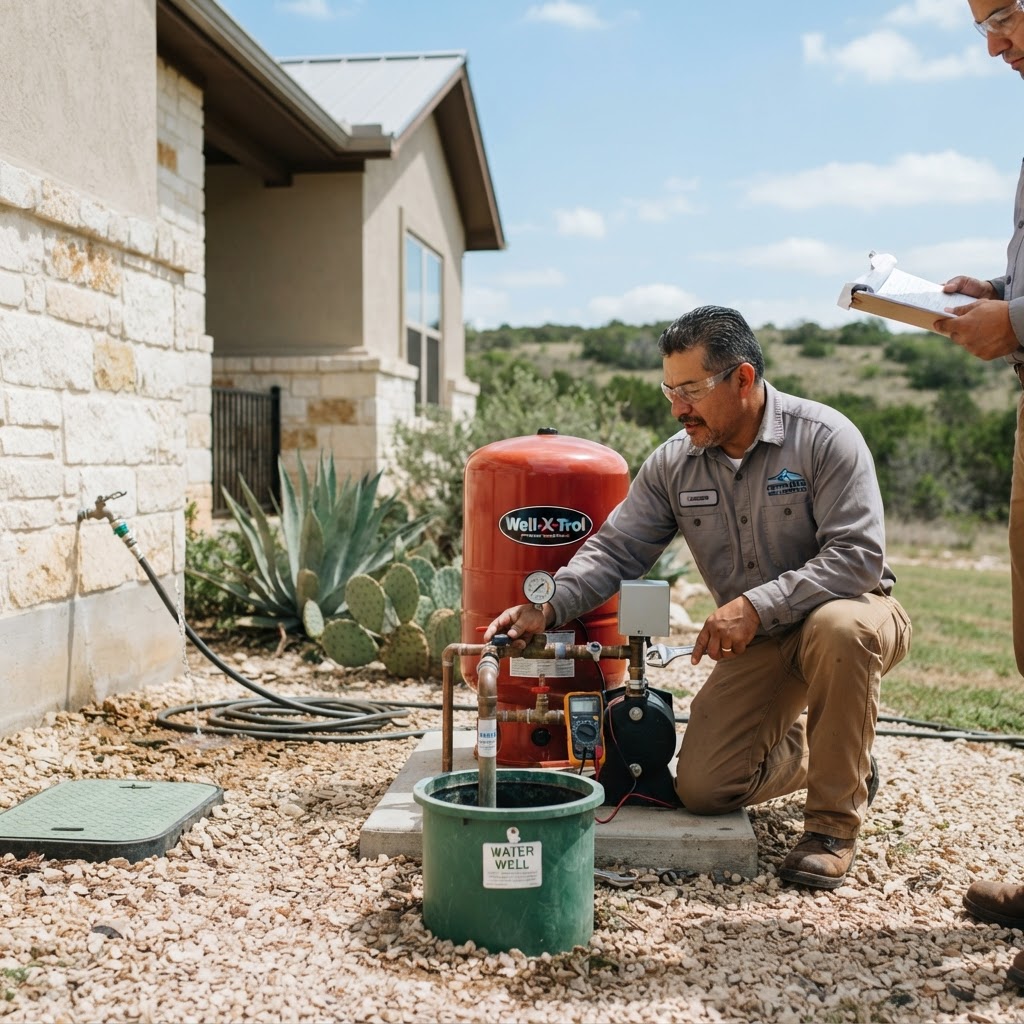
Unlike water from a public system, private well water is not routinely monitored by a public water provider. The well owner is responsible for arranging testing and maintaining the well. A test provides a snapshot of water quality at the time the sample is collected; it does not guarantee that conditions will remain unchanged.
Testing is especially useful when:
- You have not tested the well recently or do not know its testing history.
- You notice a change in taste, odor, color, or clarity.
- You have repaired, replaced, or serviced well equipment.
- There has been flooding, surface runoff, or another event that could affect the well.
- A nearby property has changed how land or water is used.
Follow the testing frequency recommended by a qualified local professional or your laboratory, and use a laboratory that accepts private-well samples and provides clear collection instructions.
Local conditions can affect your well
Houston-area weather and land conditions make it sensible to pay attention to a well’s surroundings. Heavy rain, flooding, and hurricane-season storms can lead to standing water or runoff near a well. If a wellhead is damaged, submerged, or poorly sealed, water from the surface may have a route into the system. Clay soils common in parts of southeast Texas can also affect how water drains around a property, so look for pooling or erosion near the well.
Drought and extended dry periods bring different concerns. They can change groundwater conditions and increase demand on a well. If water levels drop, a pump runs differently, or the water supply changes, testing and a professional inspection can help determine whether the issue is related to water quality, the well, or its equipment.
After flooding or suspected contamination, do not assume that boiling will address every possible concern. Contact a qualified well professional and a certified laboratory for guidance on testing and any appropriate precautions. If the well has been flooded, do not use it for drinking or cooking until you have received reliable guidance about its safety.
What should you test for?
There is no single test that covers every possible water-quality issue. A laboratory or qualified professional can help select tests based on your location, well history, and concerns. Common starting points for private wells include:
- Coliform bacteria and E. coli, which can indicate contamination and require prompt follow-up.
- Nitrate, which is important to assess for drinking water, particularly in homes with infants or people who are pregnant.
- Other chemical or mineral concerns, selected according to local conditions and the well’s history.
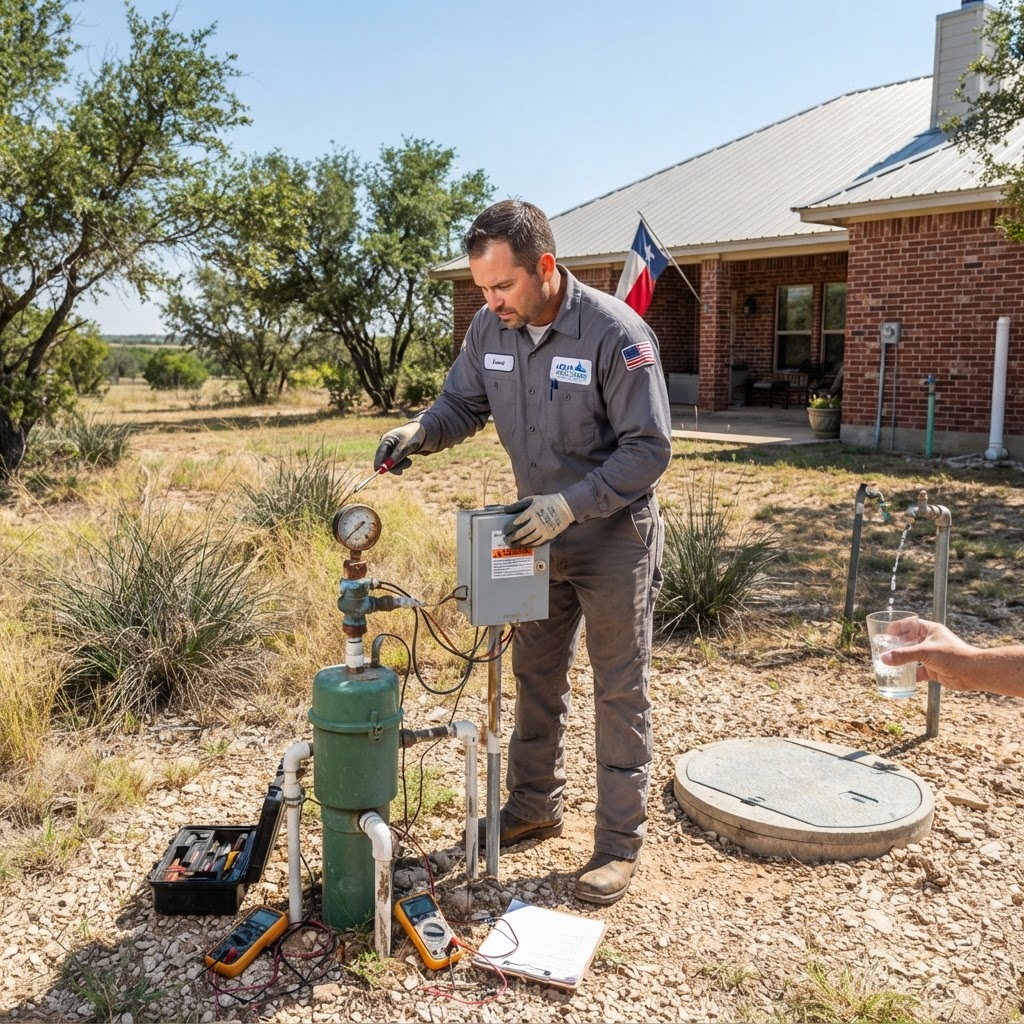
A water test is different from a well inspection. Testing analyzes a water sample; an inspection can assess visible well components, the wellhead, and related equipment. Depending on the situation, you may need one or both.
Collect samples correctly and act on results
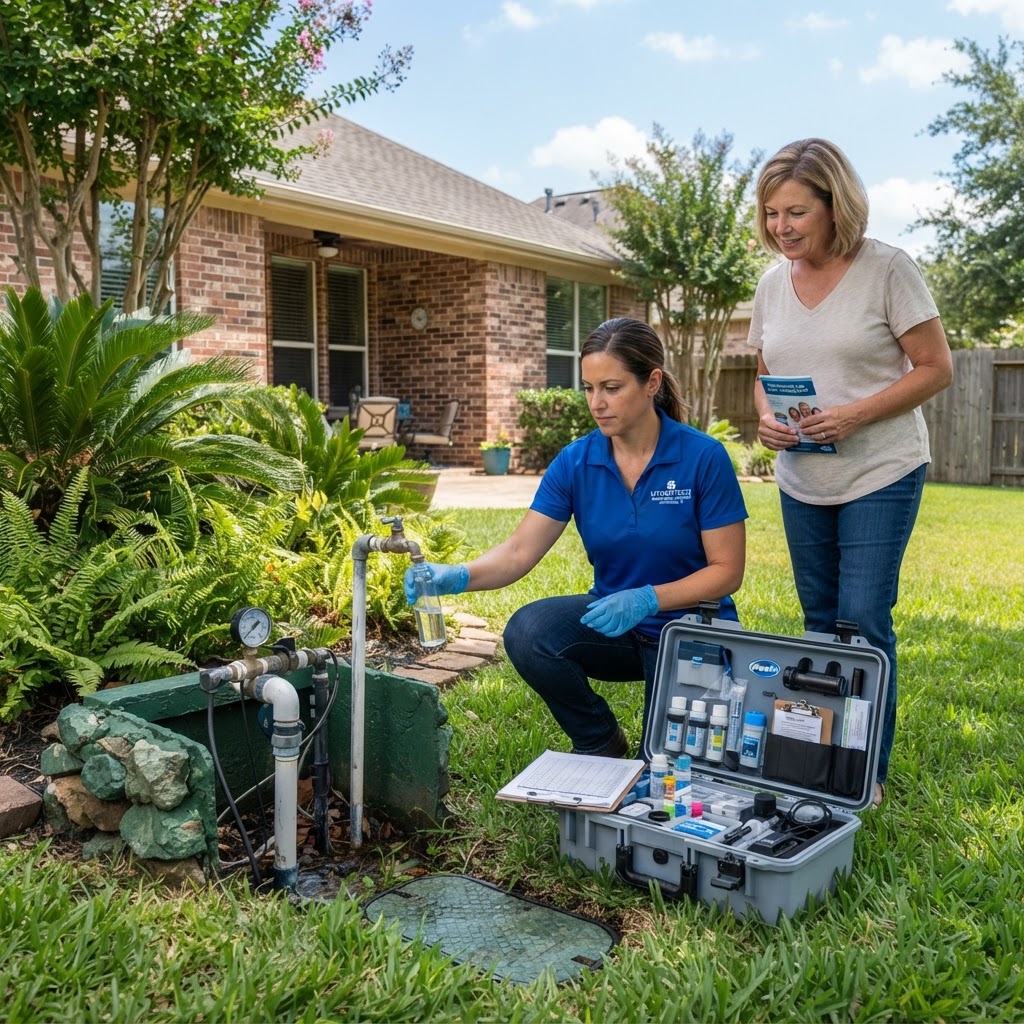
A useful result depends on a properly collected sample. Follow the laboratory’s instructions exactly, including any directions about the sample container, faucet selection, flushing, and delivery time. Do not use an old or unapproved container, and avoid collecting a sample from a treatment device unless the lab specifically requests it.
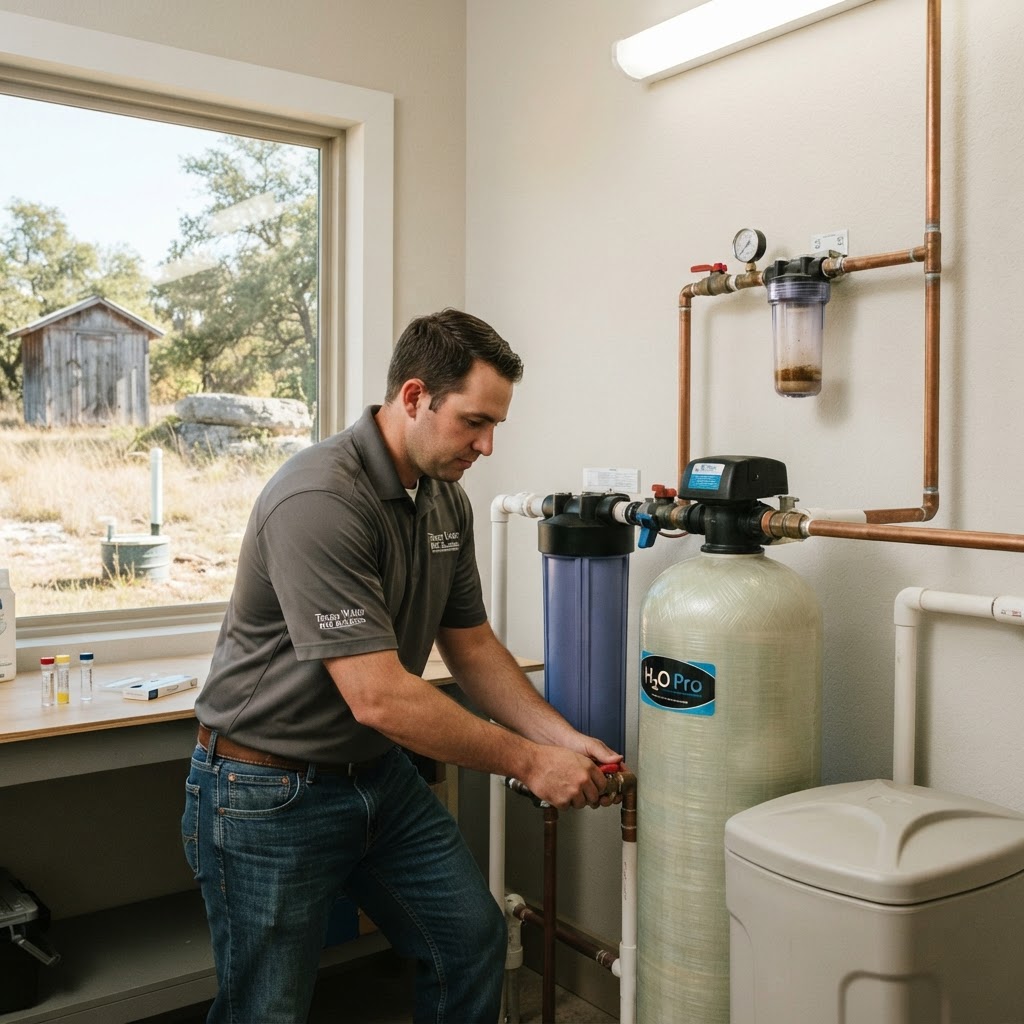
If a result shows a concern, contact the laboratory or a qualified well professional to understand what the finding means and what follow-up is needed. Avoid choosing a treatment system based only on taste, a home test, or a general recommendation: treatment should match the specific issue identified. After corrective work, retest when advised to verify the result.
Keep copies of test results, inspection notes, repairs, and treatment-system service records. These records can help you notice changes over time and make informed decisions about your property.
Make testing part of well maintenance
For homeowners across Harris County, Waller County, and nearby communities, well testing is a practical part of caring for a home’s water supply—not just something to consider when the water looks unusual. Pair testing with attention to the wellhead and nearby drainage, especially after severe weather or flooding.
Practical takeaway: If you rely on a private well, arrange appropriate laboratory testing, follow up on any unexpected result, and inspect the well after events that may affect it. For well inspection or service in the greater Houston area, contact Aqua Star Well and Septic, LLC at 936-931-2443.
Need Well or Septic Service?
Our licensed, insured team has served the greater Houston area since 1976. We're available seven days a week.
Call (936) 931-2443