Hard water in Texas wells: causes, effects, and solutions
Hard water is common in many private wells around the greater Houston area. This post explains what causes hard water in southeast Texas wells, how it affects your home and equipment, and practical solutions homeowners can use to manage it.
Aqua Star Team
Aqua Star Well and Septic, LLC
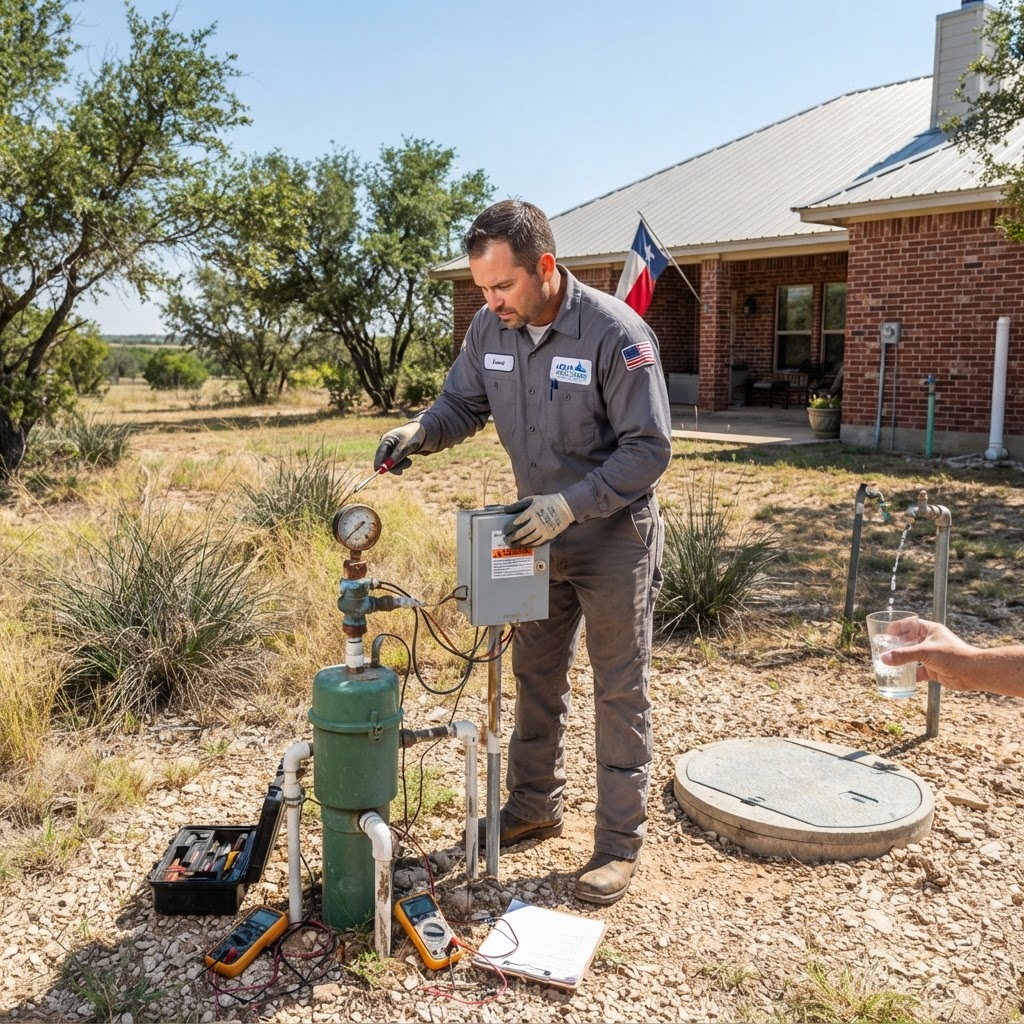
Hard water is a frequent issue for private well owners across southeast Texas. If you live in Hockley, Cypress, Tomball, or elsewhere in Harris or Waller County and rely on a private well, you’ve probably noticed scale on faucets, less-effective soap, or white buildup on appliances. Understanding what causes hardness, how it affects your plumbing and appliances, and what practical steps you can take will help you protect your home and your water supply.
What causes hard water in Texas wells
Hard water is caused mainly by dissolved minerals — primarily calcium and magnesium — picked up as groundwater flows through soil and rock. Local factors that influence hardness in our area include:
- Subsurface geology: areas with calcareous (limestone) layers or mineral-bearing sediments contribute more dissolved minerals to groundwater.
- Well depth and aquifer type: shallow wells and certain local aquifers can have different mineral profiles than deeper wells.
- Seasonal and weather impacts: drought or heavy pumping can change groundwater chemistry; flooding from hurricanes can temporarily affect well water quality through surface contamination or changes in recharge patterns.
- Local soils: southeast Texas clay and alluvial soils influence groundwater movement and chemistry, which in turn affects mineral content.
Hardness is a natural water quality characteristic — it’s not a sign of bacteria or contamination — but it can create very tangible problems for homeowners.
Effects of hard water on your home and systems
Hard water doesn’t pose the same immediate health risks as bacterial contamination, but it has a range of practical effects:
- Plumbing and fixtures: mineral scale builds up inside pipes, on showerheads, and on faucet aerators, reducing flow and efficiency.
- Appliances: water heaters, dishwashers, and washing machines can develop scale that reduces performance and shortens service life.
- Cleaning and soap use: soap and detergents don’t lather as well, so you may use more product and still see spots on dishes or film on glass.
- Energy use: scale on heating elements reduces efficiency, often increasing energy use for hot water.
- Laundry and fabrics: hard water can make fabrics feel stiff and fade colors faster over time.
While hardness itself usually won’t harm your septic system directly, increased soap and detergent usage or altered wastewater chemistry can influence septic performance over the long term.
Testing and diagnosing hard water for your well
Accurate diagnosis is the first step to a good solution. Recommended actions include:
- Get a water test: have your well water tested for hardness (usually reported in mg/L or grains per gallon) and general chemistry. Local labs or a licensed well contractor can arrange testing and interpretation.
- Check for related issues: while testing for hardness, consider testing for iron, manganese, salinity/brackishness, and bacteria — these can coexist with hardness and change treatment choices.
- Inspect well equipment: a licensed well professional can check wellhead seals, pressure tanks, and distribution plumbing for scale and wear.
- Follow guidance: consult TCEQ recommendations for private well testing and maintenance, and work with a TCEQ-licensed contractor for repairs and installations.
Practical solutions and maintenance options
There are several effective approaches to managing hard water; the best choice depends on your water chemistry, household needs, and system layout.
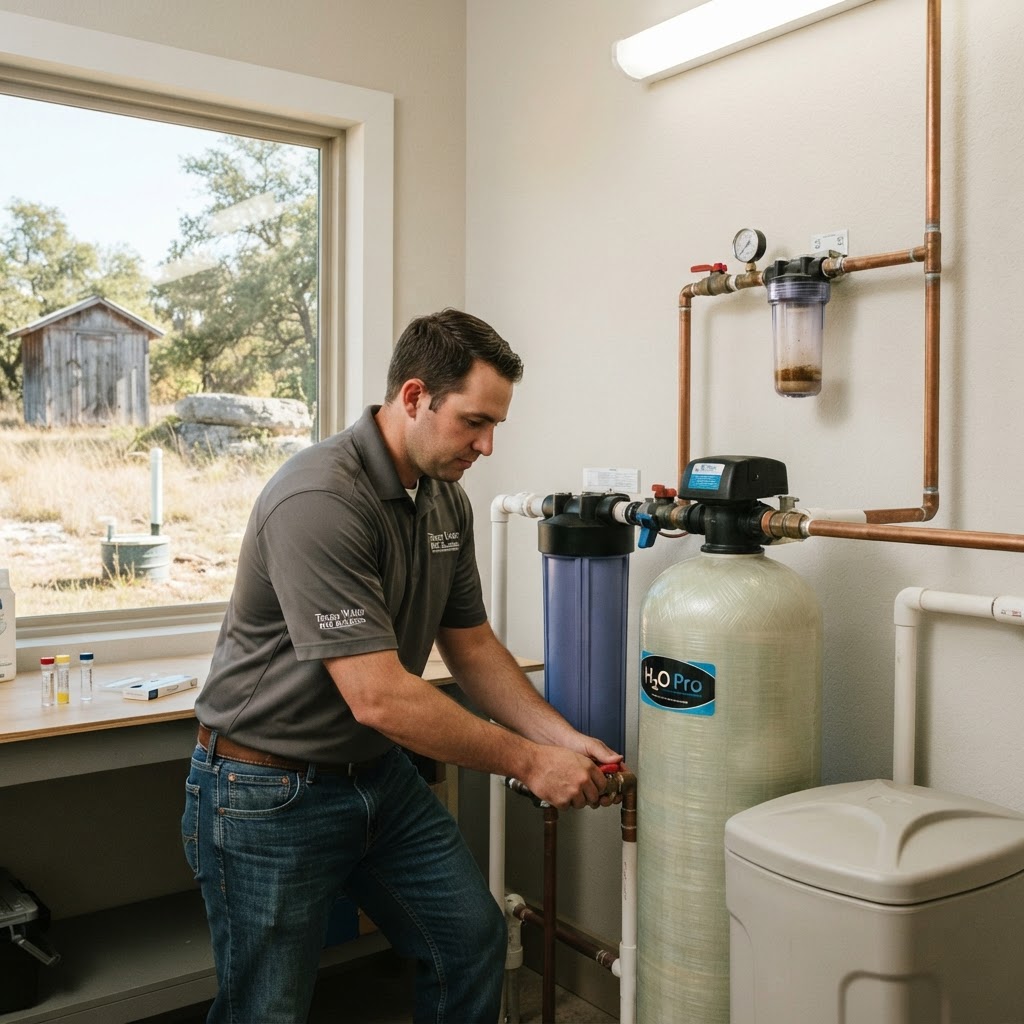
- Ion-exchange water softeners
- Most common solution for reducing calcium and magnesium.
- Exchanges hardness ions for sodium or potassium; regenerates periodically.
- Good for whole-house protection (plumbing, appliances, water heaters).
- Salt-free conditioners (template-assisted crystallization and other media)
- Don’t remove hardness minerals but alter how they behave to reduce scale formation.
- Low maintenance and no salt regeneration; effectiveness varies by water chemistry.
- Point-of-use reverse osmosis (RO)
- Ideal for drinking and cooking water at a sink or refrigerator; removes many dissolved minerals and impurities.
- Hybrid systems and pretreatment
- If iron, manganese, or high sediment are present, pretreatment (sediment filters, iron removal) may be necessary before softening.
- Routine maintenance
- Flush and descale faucets and showerheads periodically.
- Have water softeners and treatment systems serviced annually by a qualified technician.
- Protect the wellhead and keep clear records of maintenance — especially important before and after hurricane-related events.
Note: some marketed “magnetic” or “electronic” scale devices show mixed results in real-world conditions; ask for independent performance data and local references before choosing these options.
Local considerations and seasonal tips
- Hurricane season: keep your wellhead sealed and elevated if possible; after major storms, test your well for bacteria and general water quality before use.
- Drought and heavy pumping: changes in groundwater levels can alter water chemistry — if you notice sudden changes in taste, clarity, or scale, test the water.
- Work with local professionals: wells in Harris, Waller, and surrounding counties may behave differently due to local geology — local experience matters when choosing treatment solutions.
Conclusion
Hard water is a common, manageable issue for well owners in the greater Houston area. Start with a proper water test and inspection to identify the minerals and any coexisting issues (iron, bacteria, salinity). From there you can choose a targeted solution — whole-house softening, point-of-use RO, or a combination — and maintain the system to protect plumbing and appliances.
Practical takeaway: have your well water tested and inspected by a licensed professional before buying a treatment system, and schedule routine maintenance to keep systems working well. For an inspection or help diagnosing hard water on your property, contact Aqua Star Well and Septic, LLC — family-owned since 1976, TCEQ licensed and insured — at 936-931-2443 for service in Hockley, Cypress, Tomball, Harris County, Waller County, and the greater Houston area.
Need Well or Septic Service?
Our licensed, insured team has served the greater Houston area since 1976. We're available seven days a week.
Call (936) 931-2443