Drought in Texas: Protecting Your Water Well During Dry Spells
Dry weather can affect groundwater and put extra strain on a private well. Learn how to spot warning signs, conserve water, and protect your well during drought conditions in the greater Houston area.
Aqua Star Team
Aqua Star Well and Septic, LLC
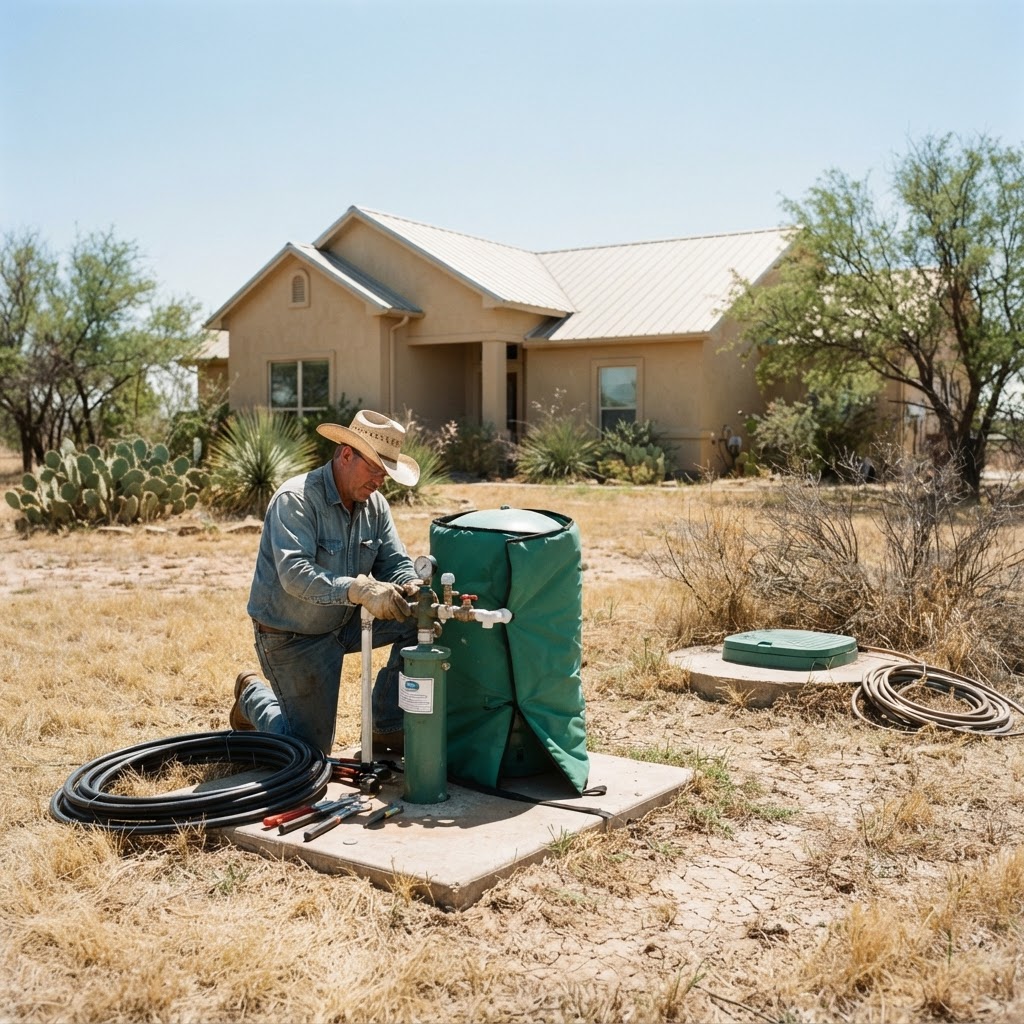
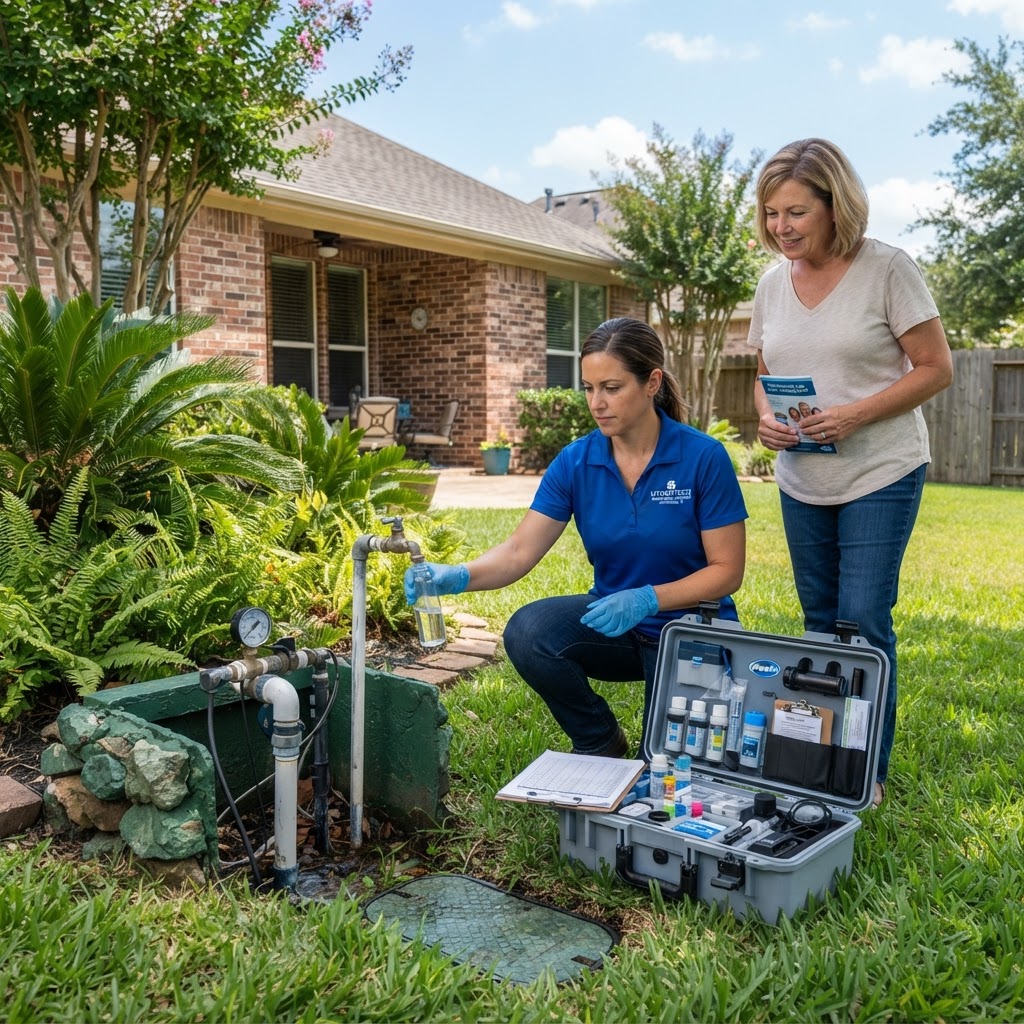
Southeast Texas is no stranger to dry spells, even with its humid climate and heavy seasonal rains. When drought affects Hockley, Cypress, Tomball, Harris County, or Waller County, homeowners who rely on private wells can take practical steps to conserve water and watch for signs that their system needs attention.
How dry weather can affect a well
A well draws water from an underground aquifer. During an extended dry period, groundwater levels may change, though the effect varies by location, aquifer, well depth, and local conditions. A shallow well or one with limited recovery may be more vulnerable to changes in water level. Heavy neighborhood demand can also contribute to strain.
Drought does not automatically mean your well will run dry. However, it is a good time to pay attention to changes in water supply and avoid unnecessary water use.
Watch for changes in water or system performance
Keep an eye out for signs that may indicate a water-level issue or another well-system problem:
- Faucets sputter or produce air along with water.
- Water pressure drops or flow becomes inconsistent.
- Water stops temporarily, especially after several fixtures or appliances have been used.
- The pump runs more often, cycles repeatedly, or seems to run for an unusually long time.
- Water becomes cloudy, discolored, or noticeably different in taste or odor.
These symptoms can have more than one cause, including plumbing, pump, pressure-tank, or water-quality issues. If they appear, reduce water use and arrange an inspection rather than repeatedly running the pump to test the well. If the water’s appearance or taste changes, consider using an alternate source for drinking and cooking until the cause is assessed.
Conserve water without stressing the system
Small changes in household use can help reduce demand on your well, particularly during a prolonged dry spell:
- Repair leaking faucets, toilets, and irrigation lines.
- Run dishwashers and washing machines with full loads when practical.
- Space out heavy water uses instead of running multiple appliances at once.
- Water plants early in the morning, and follow any local water-use guidance that applies to your property.
- Direct roof runoff toward suitable landscaping where it will not collect around the wellhead or foundation.
In the Houston area, clay soils can hold water and drain slowly. Avoid directing runoff or irrigation toward the wellhead, septic system, or areas where standing water could create a sanitation concern. Water-saving steps should not involve opening the well, changing pump controls, or otherwise adjusting equipment without qualified guidance.
Protect the wellhead and plan for local weather
Keep the wellhead and surrounding area accessible, clean, and protected from damage. Check that the well cap is secure and that nearby grading does not funnel surface water toward the well. Do not store chemicals or fuel near the well, and keep vehicles and heavy equipment away from the well casing.
Dry conditions can also be followed by intense rain or tropical weather during hurricane season. Make sure the well’s electrical equipment is protected from water and that you know how to shut off power safely if flooding threatens the system. After floodwater reaches the wellhead or enters the well, do not assume the water is safe to drink; contact a qualified well professional and follow applicable public-health guidance before using it for drinking or food preparation.
When to call a well professional
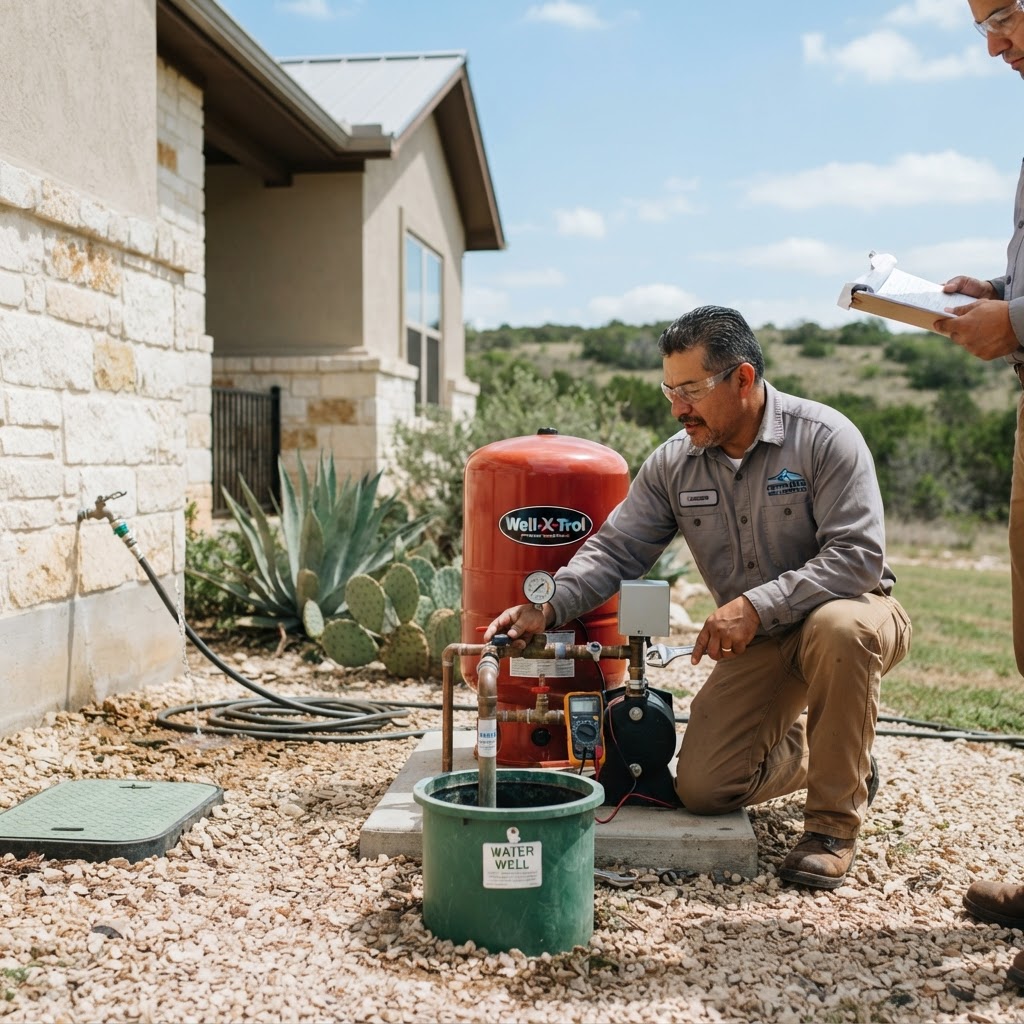
Contact a qualified well service provider if your well’s flow or pressure changes, the pump behaves unusually, or you suspect damage or contamination. An inspection can help identify whether the issue involves the water level, pump, pressure system, well condition, or another part of the installation. Routine attention is also useful if your well has not been inspected in some time or you are unsure about its condition.
Aqua Star Well and Septic, LLC is a family-owned, TCEQ-licensed and insured company serving the greater Houston area from Hockley since 1976. During dry weather, conserve water, watch for changes, and have concerns checked before a small problem disrupts your supply. For a well inspection or service, contact Aqua Star at 936-931-2443.
Need Well or Septic Service?
Our licensed, insured team has served the greater Houston area since 1976. We're available seven days a week.
Call (936) 931-2443