What to Expect During a Professional Septic Inspection
A professional septic inspection checks the tank, components, and drain field to identify problems before they become costly. This article explains the typical steps, how to prepare, common local issues in the greater Houston area, and what happens after the inspection.
Aqua Star Team
Aqua Star Well and Septic, LLC
A professional septic inspection gives homeowners a clear picture of system condition and immediate maintenance needs. For homeowners in Hockley, Cypress, Tomball, Harris County, Waller County and the greater Houston area, understanding the inspection process helps you get the most from the visit and protects your property—especially given southeast Texas climate challenges like heavy rains, high groundwater, and clay soils.
Before the inspection: how to prepare
- Locate any septic system paperwork (installation permits, previous inspection or pump-out reports) and make it available to the inspector.
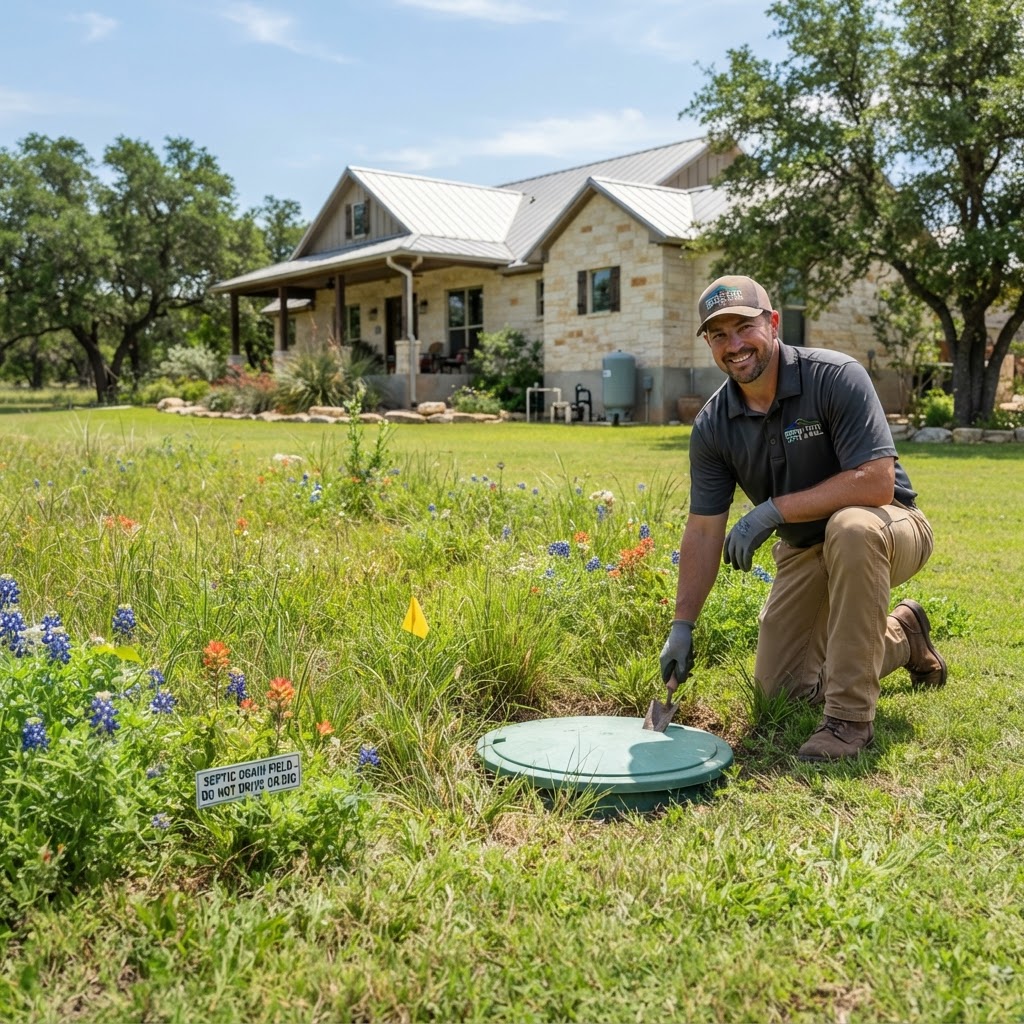
- Mark or point out the approximate locations of the septic tank and drain field if you know them; this speeds up the process.
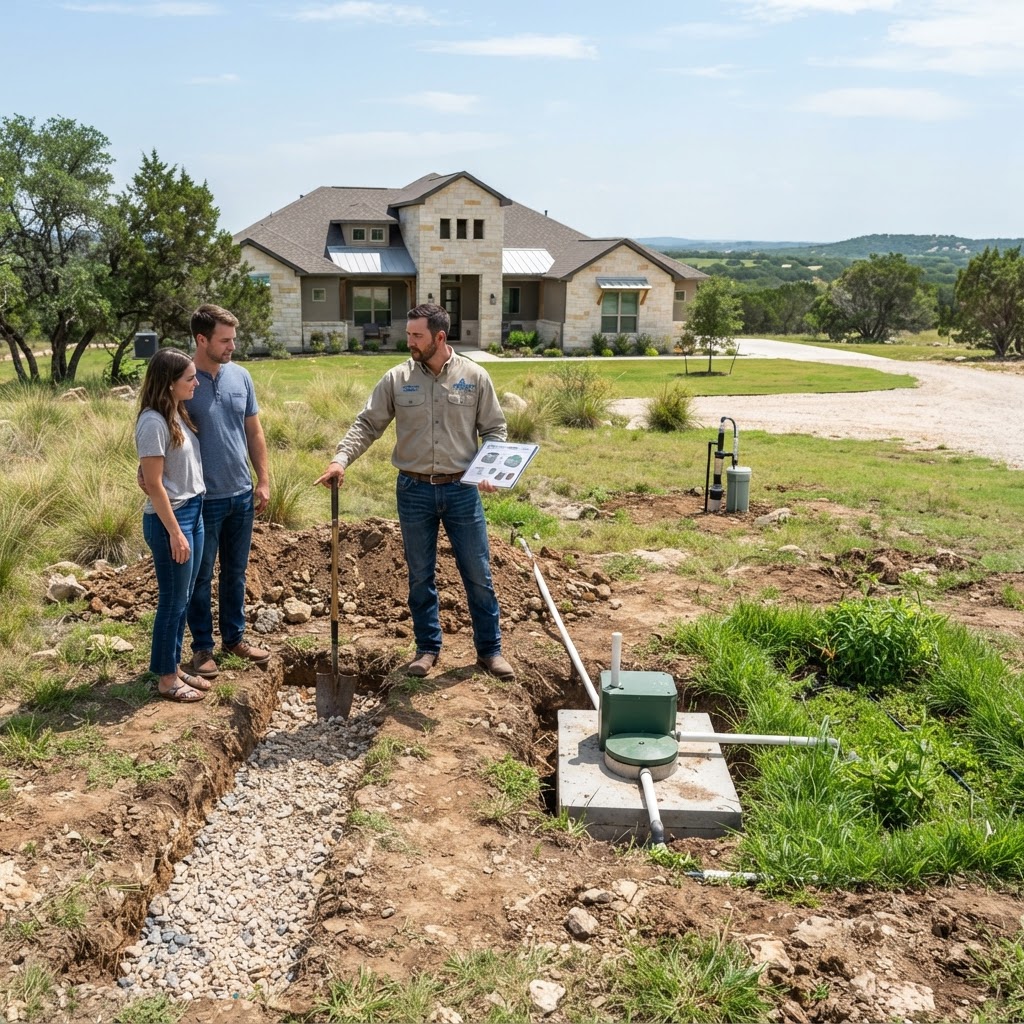
- Clear any debris, toys, or vehicles from the yard areas over the tank and drain field so the inspector can access lids, risers, and the soil surface.
- Minimize water use before the inspection only if requested by the inspector; some inspections require normal household use to evaluate flows, others may need low use—confirm when you schedule the visit.
What the inspector will do
A full professional inspection typically includes a combination of visual checks and component testing. What you can expect:
- Visual walk-through: inspector checks plumbing inside the home for slow drains, sewage odors, and visible leaks or signs of backups.
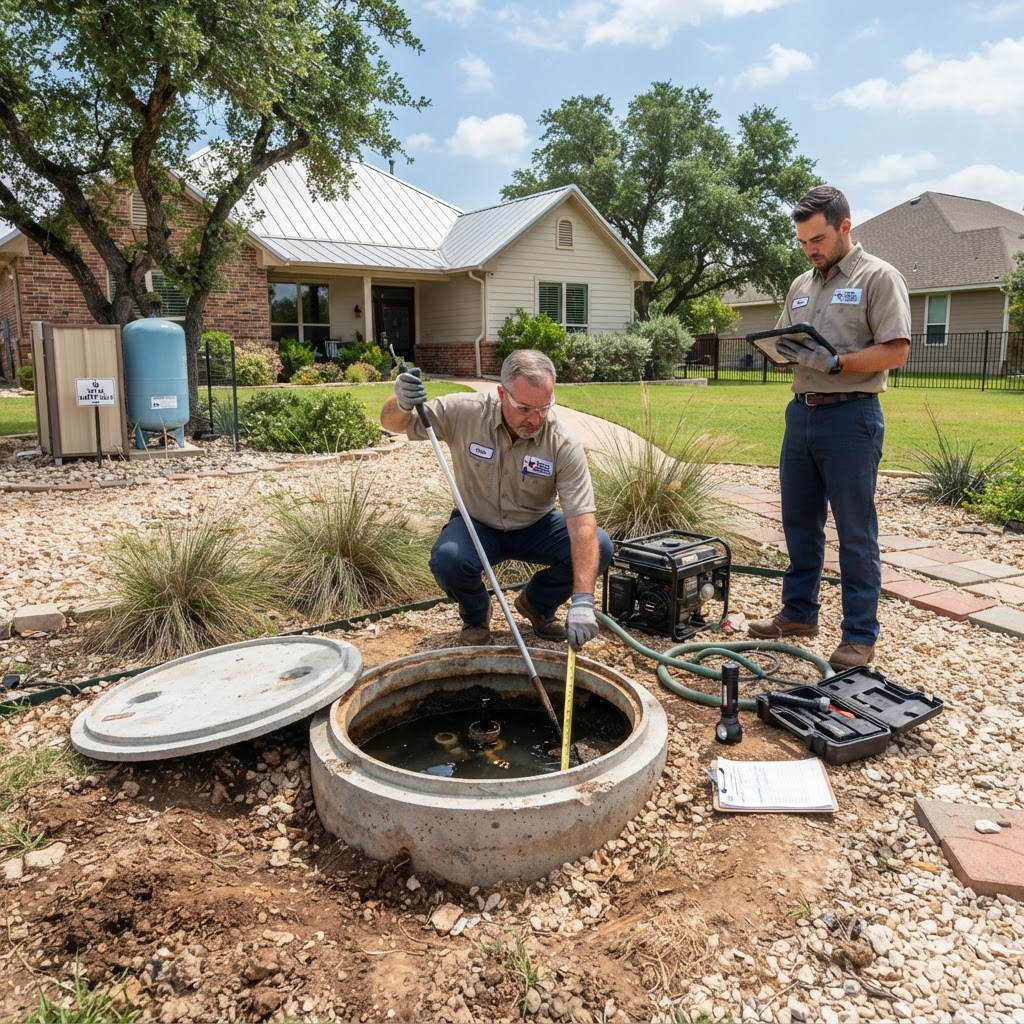
- Tank access and inspection: inspector locates and opens tank access (risers/cover), looks for structural damage, checks inlet and outlet baffles, and may measure scum and sludge levels if appropriate.
- Pump and alarm checks: if the system has a pump tank or alarm, the inspector will test electrical connections, floats, and alarm operation.
- Distribution components: inspection of distribution box, laterals, or drip irrigation components where visible and accessible.
- Drain-field evaluation: the inspector looks for signs of failure such as saturated or spongy ground, sewage odors, algae or unusually lush vegetation, and surface pooling after rain.
- Documentation and photos: most inspectors will document findings and take photos to include in the report.
Note: inspections vary—some are visual-only (no tank opening) while others include opening the tank for a complete assessment. Ask when you schedule whether the inspector will open the tank and whether a prior pump-out is necessary.
Common issues in the greater Houston area
Southeast Texas conditions influence septic system behavior. Inspectors often look for problems associated with local soils and climate:
- Clay and poor-draining soils: slow percolation can stress drain fields and lead to surfacing or backups after heavy rain.
- High groundwater and after-storm saturation: hurricane season and major storms can raise the water table and temporarily impair drain-field function.
- Tree roots and vegetation: roots can infiltrate tanks, pipes, and leach lines; inspectors note nearby large trees and advise on vegetation management.
- Compacted or covered drain fields: vehicles, heavy equipment, or added fill over the drain field can reduce oxygen exchange and cause premature failure.
- Aging components and maintenance lapses: broken baffles, corroded covers, failed pumps, or excessive sludge build-up are commonly flagged and prioritized for repair.
After the inspection: report and next steps
- Written report: you should receive a clear report outlining findings, photos, and recommended repairs or maintenance.
- Prioritization: urgent issues (e.g., active backups, structural damage, electrical failures) are typically identified for immediate attention; less urgent items can be planned into routine maintenance.
- Pumping recommendation: if sludge or scum levels are high, the inspector will recommend tank pumping by a licensed septic service.
- Repairs and follow-up testing: if repairs are needed (pumps, baffles, distribution repairs), a licensed technician can perform them and, if appropriate, the system can be re-tested after repairs.
- Records: keep the inspection report and any service records with your property documents—useful for future maintenance and for real estate transactions.
Conclusion
A professional septic inspection gives you an informed snapshot of your system’s health and a roadmap for maintenance or repairs. In the Houston area, pay special attention to signs of drain-field stress after heavy rains or during prolonged dry spells, and avoid compacting or building over the system.
Practical takeaway: prepare by locating paperwork and clearing access, expect a visual and component-by-component check, and follow the inspector’s recommendations for pumping or repairs to avoid larger failures. For a licensed, insured septic inspection in Hockley, Cypress, Tomball, Harris or Waller County, call Aqua Star Well and Septic, LLC—TCEQ licensed and insured—at 936-931-2443 to schedule service or ask questions.
Need Well or Septic Service?
Our licensed, insured team has served the greater Houston area since 1976. We're available seven days a week.
Call (936) 931-2443