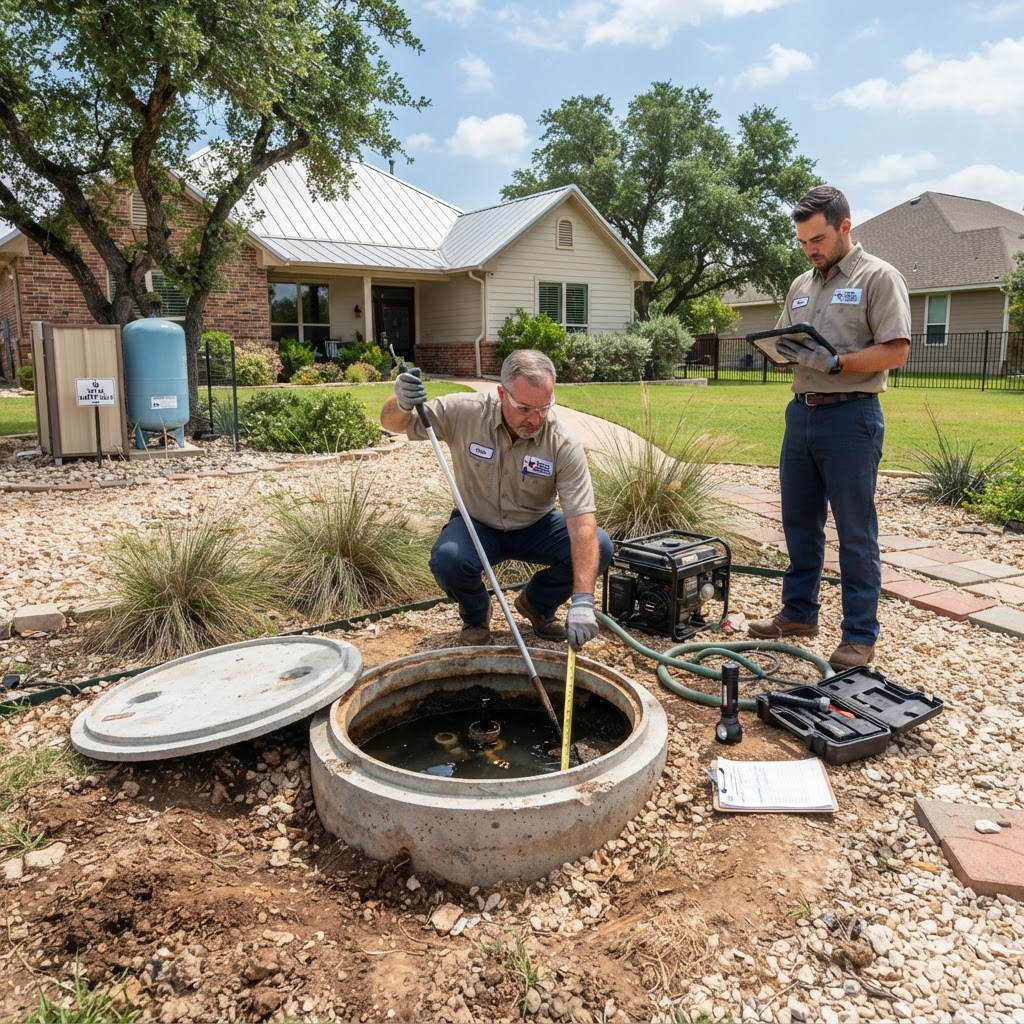
How to Choose Between a Conventional and Aerobic Septic System
Learn how conventional and aerobic septic systems differ, which site conditions matter in the greater Houston area, and how to make a practical choice for your property. An inspection and qualified site evaluation can help determine the right system for your home.
Aqua Star Team
Aqua Star Well and Septic, LLC

Choosing a septic system is not simply a matter of comparing two equipment types. The best option depends on your soil, lot size, drainage, wastewater flow, maintenance expectations, and local permitting requirements. For homeowners in Hockley, Cypress, Tomball, Harris County, Waller County, and nearby southeast Texas communities, local soil and weather conditions deserve careful consideration.
How the two systems work
A conventional septic system typically uses a septic tank followed by a drainfield. Solids settle in the tank, while clarified wastewater flows into the soil for further treatment and dispersal. The soil is an important part of the treatment process, so the drainfield must be properly designed for the site.
An aerobic treatment unit, often called an aerobic septic system, uses air and mechanical equipment to support microorganisms that treat wastewater more intensively before it reaches the dispersal area. Many aerobic systems also require additional treatment or disinfection components, depending on the approved design and site conditions.
In general:
- Conventional systems have fewer mechanical components and may be simpler to operate.
- Aerobic systems can provide a higher level of treatment where the site or approved design requires it.
- Both systems need proper installation, regular inspection, and appropriate maintenance.
- Neither system should receive grease, harsh chemicals, wipes, or other materials that can disrupt treatment or cause blockages.
Consider the property and soil conditions
The property itself is often the deciding factor. A qualified site evaluation should consider soil characteristics, groundwater, drainage, setbacks, available space, and the expected wastewater flow from the home.
Greater Houston properties may present challenges such as clay-rich or slowly draining soils, shallow groundwater in some areas, small lots, and uneven drainage. Heavy rainfall and tropical weather can saturate the soil and temporarily reduce drainfield performance. Drought can also affect soil moisture and create different stress on a system, particularly where expansive clay soils shrink and swell.
Important questions include:
- Does the lot have enough suitable soil and usable space for a conventional drainfield?
- Is the site in a low area or prone to standing water after storms?
- Are there nearby wells, waterways, property lines, buildings, or other features requiring setbacks?
- Could future additions, pools, driveways, or landscaping interfere with the reserve drainfield area?
- Is the property in a subdivision or county jurisdiction with specific permitting and design requirements?
A conventional system may be appropriate when the site has adequate soil, space, and drainage. An aerobic system may be considered when the approved design calls for enhanced treatment or when site limitations make a conventional approach unsuitable. The correct answer cannot be determined reliably from house size or neighborhood alone.
Compare maintenance and daily responsibilities
Maintenance is one of the most important differences for homeowners. Conventional systems generally rely on the tank and soil, with routine pumping and inspection based on household use, tank size, and system condition. They do not usually depend on an aerator or control panel for everyday treatment.
Aerobic systems use mechanical and electrical components. Depending on the system, these may include an aerator, alarm, pump, control panel, filters, and disinfection equipment. They require ongoing attention to keep the equipment operating correctly.
Before choosing an aerobic system, ask:
- Who will perform required inspections and maintenance?
- What alarms or warning lights should the homeowner understand?
- What happens during a power outage?
- Are replacement filters, pumps, or other components accessible?
- Is there a service plan or maintenance schedule for the specific unit?
For either system, maintain a record of pumping, inspections, repairs, and permit documents. During hurricane season or extended outages, limit unnecessary water use and respond promptly to alarms, backups, or unusually wet areas near the system.
Match the system to household use
A septic system should be sized and designed for the expected wastewater flow, not just the number of bedrooms listed in a real estate advertisement. A home with frequent guests, multiple bathrooms, a large household, or high water use may place greater demand on the system.
Good operating habits include:
- Repair leaking toilets and faucets promptly.
- Spread laundry throughout the week instead of doing many loads at once.
- Keep vehicles, heavy equipment, sheds, and permanent structures off the drainfield.
- Direct roof runoff, French drains, and surface water away from the septic area.
- Never flush wipes, paper towels, feminine products, medications, grease, or chemicals.
- Avoid using septic additives as a substitute for proper maintenance.
If you are buying property, request available septic permits, inspection reports, pumping records, and maintenance documentation. An inspection can identify current problems, but it may not establish whether an older system is suitable for a planned addition or increased occupancy.
Work with qualified local professionals
Texas septic projects must follow applicable state and local requirements, and the approved design depends on the specific property. In the greater Houston area, conditions can vary significantly from one lot to the next—even between neighboring properties in Hockley, Cypress, Tomball, or Waller County.
A licensed professional can help evaluate the site, explain the differences between system types, identify maintenance obligations, and determine whether an existing system is functioning properly. Homeowners should also confirm which authority handles permitting and maintenance requirements for their property before installing, modifying, or replacing a system.
Practical takeaway
Choose a conventional system when the property has suitable soil, space, and drainage and the approved design supports it. Consider an aerobic system when site conditions or treatment requirements call for one—but be prepared for electrical components and more structured maintenance. For a property-specific inspection, installation question, or septic service in the greater Houston area, contact Aqua Star Well and Septic, LLC at 936-931-2443.
Need Well or Septic Service?
Our licensed, insured team has served the greater Houston area since 1976. We're available seven days a week.
Call (936) 931-2443