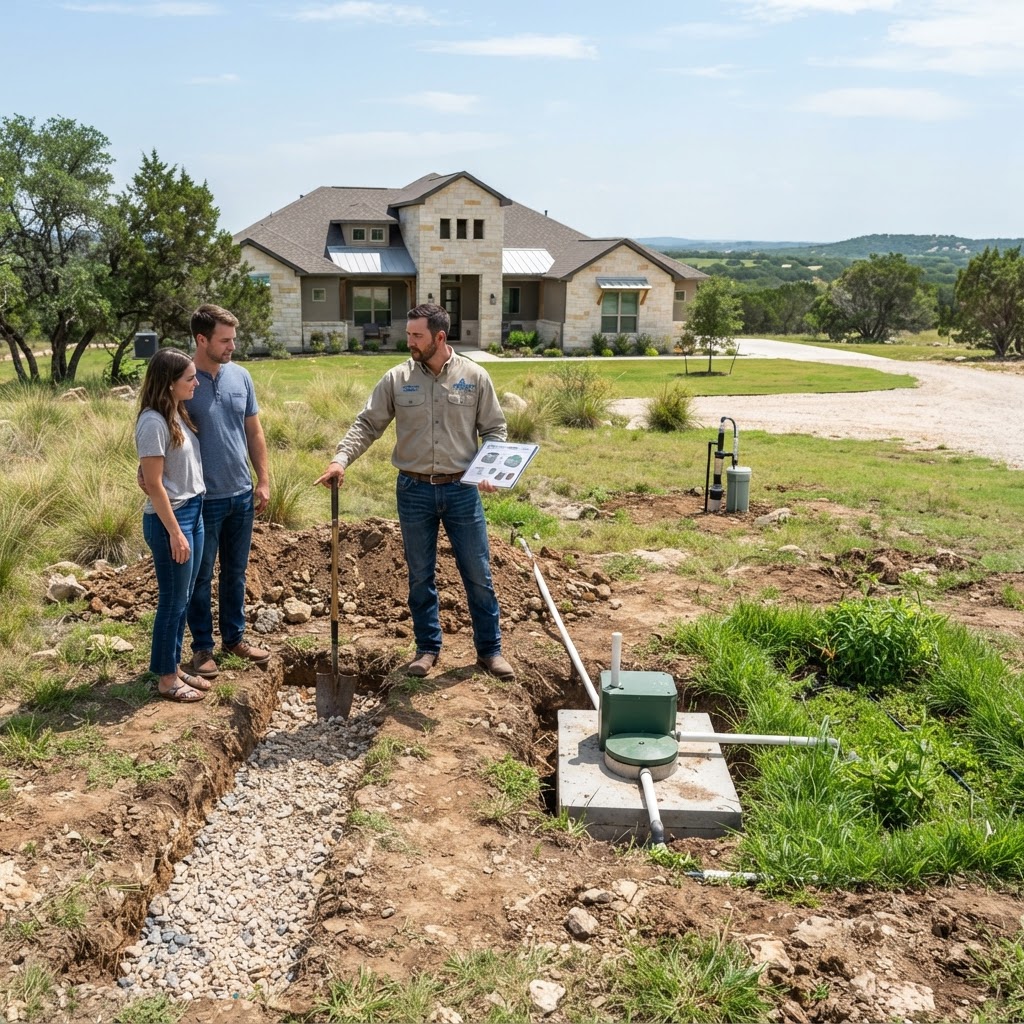
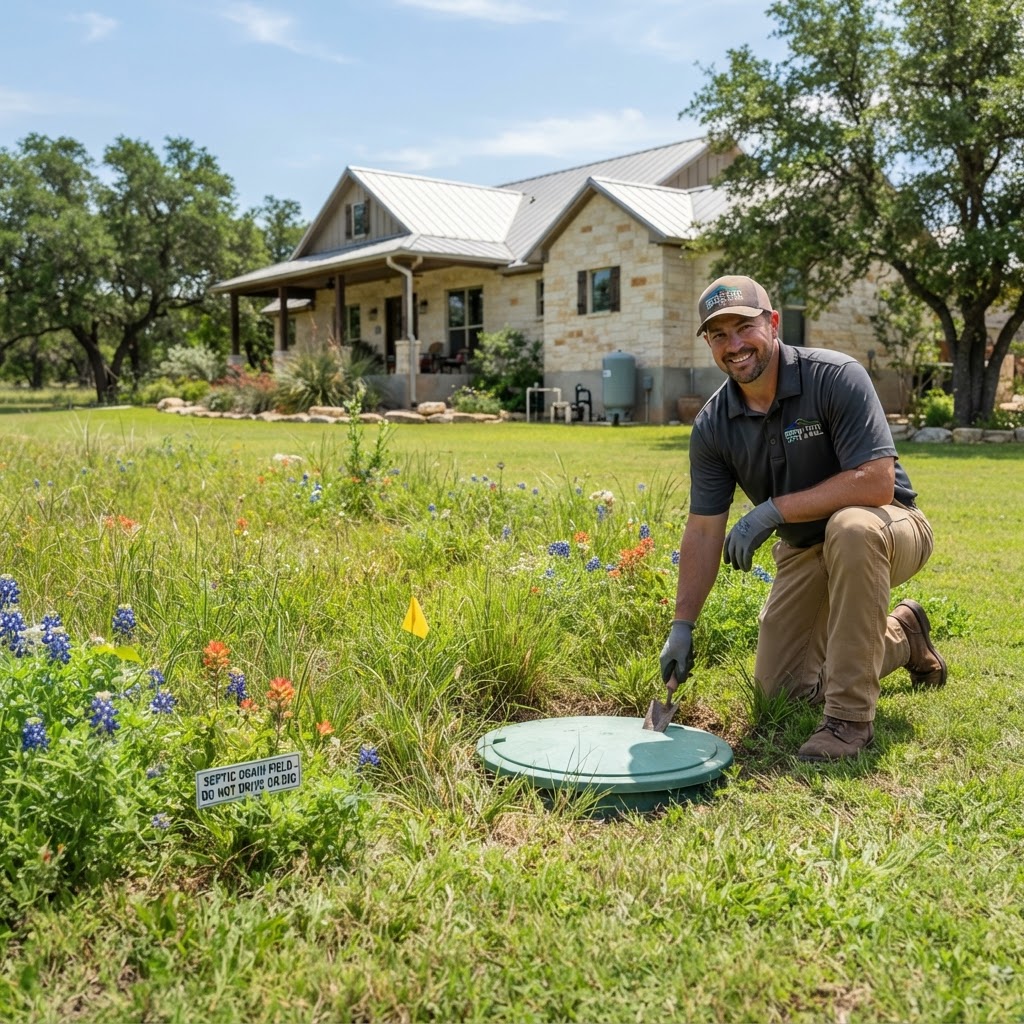
How Texas Clay Soil Affects Your Septic System—and What to Do About It
Clay soils common around Hockley, Cypress, Tomball, and across the greater Houston area can slow drainage and complicate septic system performance. Learn what to watch for and how to protect your system through heavy rain, drought, and changing soil conditions.
Aqua Star Team
Aqua Star Well and Septic, LLC
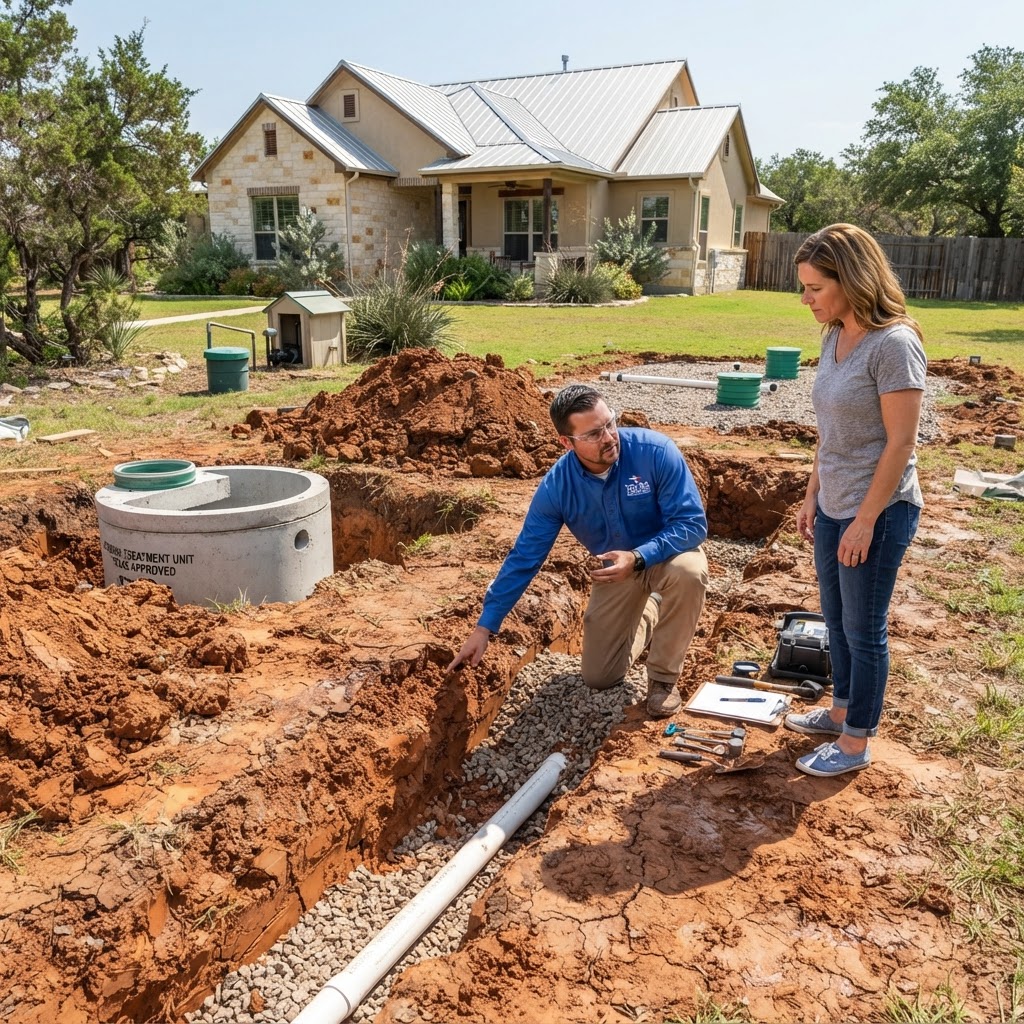
Clay soil is common in the greater Houston area, and it can affect how a septic system moves and treats wastewater. If you own a property in Hockley, Cypress, Tomball, Harris County, or Waller County, understanding how local soil and weather interact with your system can help you spot trouble early and avoid preventable damage.
Why clay soil matters
Septic systems rely on soil to receive and further treat wastewater from the tank. Clay particles are fine and compact easily, so water generally moves through clay more slowly than it does through sandy, well-drained soil. The exact conditions can vary across a property, and a qualified professional must assess the site and system to determine what is appropriate.
When soil is saturated or compacted, the area receiving wastewater may not drain as it normally would. This can contribute to slow plumbing drains, wet or odorous areas near the drainfield, or wastewater surfacing. These signs can have other causes, too, so an inspection is the best way to identify the problem.
How Southeast Texas weather adds stress
Local soil conditions shift with the weather. Prolonged rain and high water levels can leave clay soils saturated, reducing their ability to accept additional water. During hurricane season, heavy rainfall or flooding can put extra strain on a septic system. Keep vehicles and heavy equipment off the drainfield, and avoid unnecessary water use if the system is affected by flooding.
Drought can create a different challenge. Clay soils may shrink as they dry and swell again when moisture returns. These changes can affect the ground around pipes and system components. After an extended dry spell, avoid sudden, excessive water use, and look for new signs of settling, unusual wetness, or plumbing problems.
Signs your system may need attention
Keep an eye out for changes around the house and yard, including:
- Drains or toilets that are consistently slow, especially when several fixtures are affected.
- Gurgling sounds in plumbing or sewage odors indoors or outdoors.
- Unusually wet, soft, or foul-smelling ground near the tank or drainfield.
- Wastewater backing up into a home or surfacing in the yard.
- A sudden change in the system’s performance after heavy rain, flooding, or prolonged dry weather.
If wastewater backs up or surfaces, limit water use and contact a septic professional promptly. Do not enter a septic tank or open it yourself; tanks can contain hazardous gases and other serious hazards.
Practical ways to protect your septic system
Good everyday habits help reduce unnecessary strain, whatever the soil type:
- Spread out laundry and other high-water-use activities rather than doing them all at once.
- Fix leaking toilets and faucets, and use water efficiently.
- Keep roof runoff, downspouts, and drainage away from the drainfield where feasible; do not redirect water onto a neighboring property.
- Keep vehicles, livestock, and heavy equipment off the tank and drainfield.
- Do not plant trees or shrubs with aggressive roots over system components, and do not add soil or pave over the drainfield without professional guidance.
- Have the system inspected and maintained on a schedule suited to its design, use, and condition.
After flooding, avoid walking or driving over a saturated drainfield. If the system is not working normally, a licensed professional can inspect it and advise on appropriate next steps. Never pump a tank during flooding without professional guidance, as high groundwater can create additional risks for buried components.
Get advice suited to your property
Clay soil is not identical from one lot to the next, and septic systems differ in design and age. A professional inspection can help distinguish soil or drainage concerns from a full tank, a plumbing issue, or a problem with a system component—and identify maintenance needs before they become more disruptive.
Practical takeaway: Use water thoughtfully, protect the drainfield from traffic and runoff, and pay attention to changes after heavy rain or drought. For an inspection or septic service in the greater Houston area, contact Aqua Star Well and Septic, LLC at 936-931-2443.
Need Well or Septic Service?
Our licensed, insured team has served the greater Houston area since 1976. We're available seven days a week.
Call (936) 931-2443