Signs Your Water Well Is Failing — What to Do Next
If your private well is showing low pressure, discolored water, odd smells, or frequent pump cycling, those are common signs it may be failing. This post explains likely causes and practical next steps for homeowners in the greater Houston area.
Aqua Star Team
Aqua Star Well and Septic, LLC
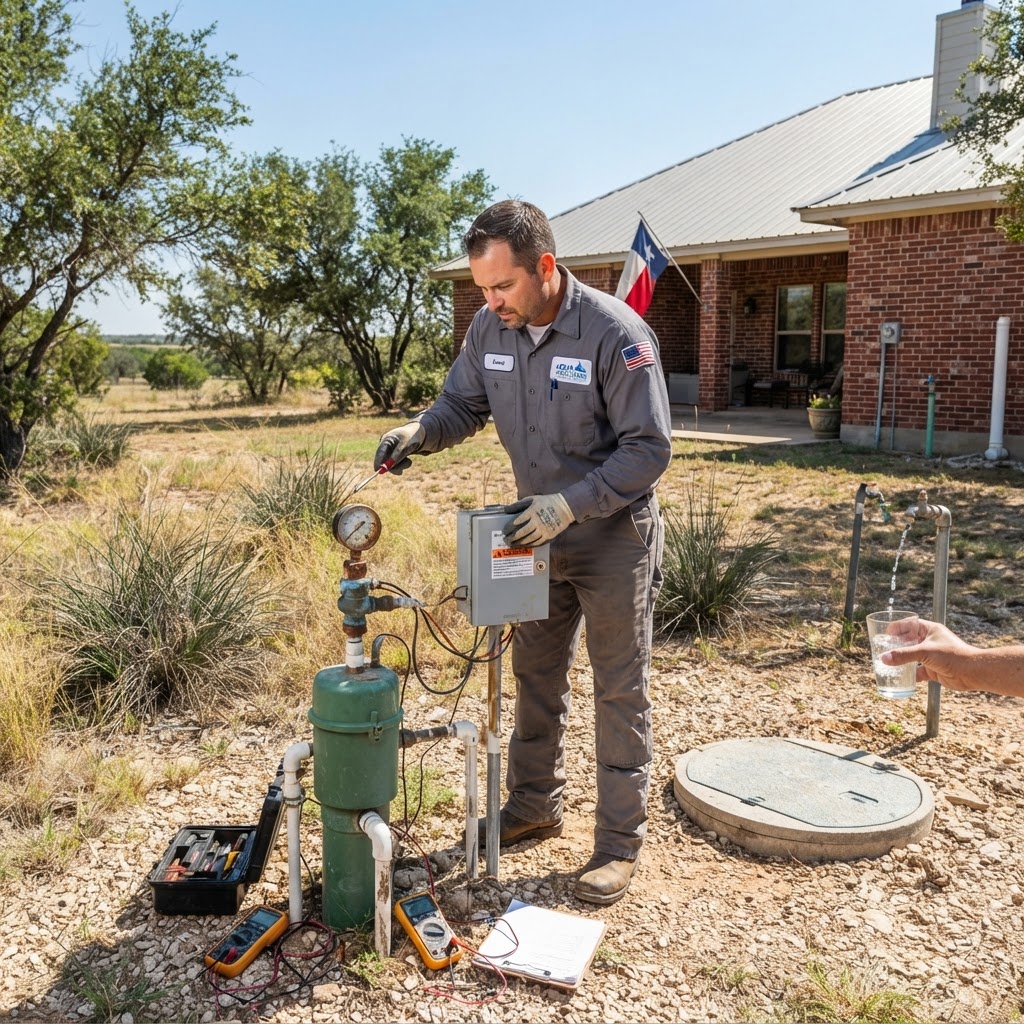
Private wells can give reliable water for decades, but in southeast Texas factors like drought, heavy rains during hurricane season, and shifting clay soils around Hockley, Cypress, Tomball, and Waller County can stress a well system. If you notice changes in water quantity, quality, or how your pump behaves, act quickly — many problems are easier and cheaper to fix when caught early.
Common signs your well may be failing
- Low water pressure or reduced flow at fixtures, especially after periods of normal use
- Longer pump run times (pump runs constantly or takes much longer to recover pressure)
- Short-cycling (pump turns on and off frequently in short bursts)
- Intermittent water supply — water goes from normal to a trickle or cuts out entirely
- Discolored water (brown, reddish, or black) or visible sediment
- New or stronger tastes or odors (sulfur/rotten-egg smell, metallic taste)
- Air sputtering from taps or cloudy water with air bubbles
- Unusual noises from the well or pressure tank (knocking, banging, or loud hums)
- Water contamination after heavy rains or flooding — wellhead submerged or nearby surface water pooling
- Sudden changes after drought (drop in static water level) or after nearby drilling or construction
What these signs often mean (likely causes)
- Reduced yield / low flow: aquifer levels have dropped or intake screen is clogged with sediment or mineral buildup — common after dry spells in southeast Texas.
- Longer run times: well yield is marginal; the pump must run longer to meet demand or draw from a lower water column.
- Short-cycling: pressure tank bladder failure or incorrect tank pressure; pump is switching too frequently which shortens pump life.
- Discoloration and sediments: iron, manganese, disturbed sediments, or corrosion inside piping or the well casing.
- Odors / tastes: bacterial growth (including sulfate-reducing bacteria) or dissolved gases; any sudden change should be treated as potentially hazardous.
- Intermittent supply or loss of water after storms: wellhead contamination from floodwaters, or collapsed/shifted casing in clay soils.
Practical steps to take right away
- Stop using the water for drinking or cooking if you notice contamination, foul smell, or after your property floods. Use bottled water until you know the water is safe.
- Check basics:
- Confirm power to the pump (tripped breaker, GFCI, or switch).
- Look at the pressure gauge and listen to the pump. Note whether pump runs continuously or cycles rapidly.
- Inspect the visible wellhead, cap, electrical conduit, and pressure tank for obvious damage or flooding.
- Reduce demand: conserve water — stagger high-demand activities (laundry, irrigation) while you troubleshoot.
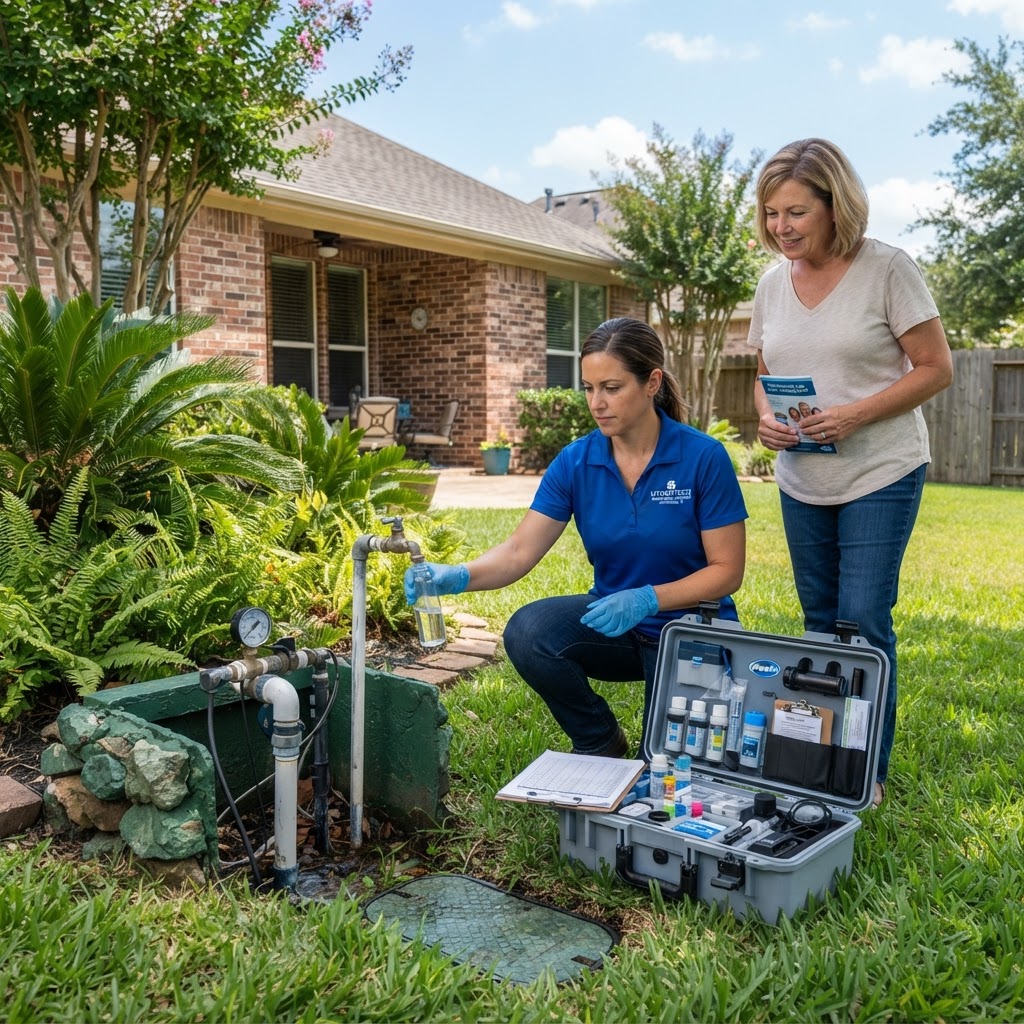
- Run a water test: arrange bacteriological testing (total coliform/E. coli) and ask about tests for iron, manganese, nitrate, and total dissolved solids if you see discoloration or notice taste/odor problems. Your county health department or a state-certified lab can advise on sample collection and tests.
- Avoid hazardous DIY repairs: do not remove the well cap, enter the well, or attempt pump pull-outs unless you are trained and equipped. Electrical and confined-space risks are serious.
When to call a professional (and what to expect)
Call a licensed well and pump contractor if you experience persistent low flow, unusual noises, contamination, or if your pressure tank or controls appear to be failing. For homeowners in the greater Houston area, ask for a TCEQ-licensed and insured technician who is familiar with local conditions (Harris County, Waller County, and nearby communities such as Hockley, Cypress, and Tomball).
A qualified contractor will typically:
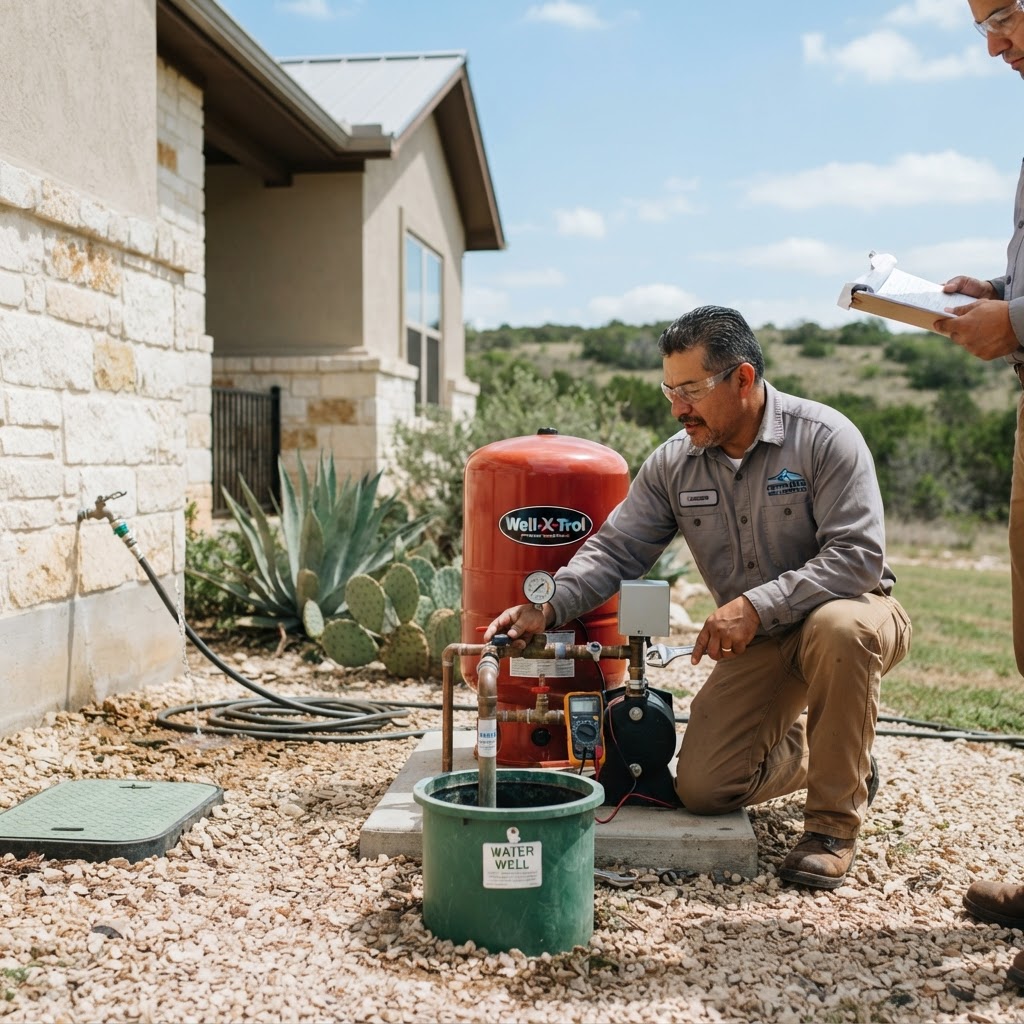
- Perform a visual safety inspection of the wellhead, wiring, and pressure components.
- Measure static water level and pump performance (flow and drawdown).
- Check pressure tank precharge and bladder condition.
- Inspect or test the pump, pressure switch, and control box.
- Recommend water testing and disinfect the system if bacterial contamination is found or after flooding.
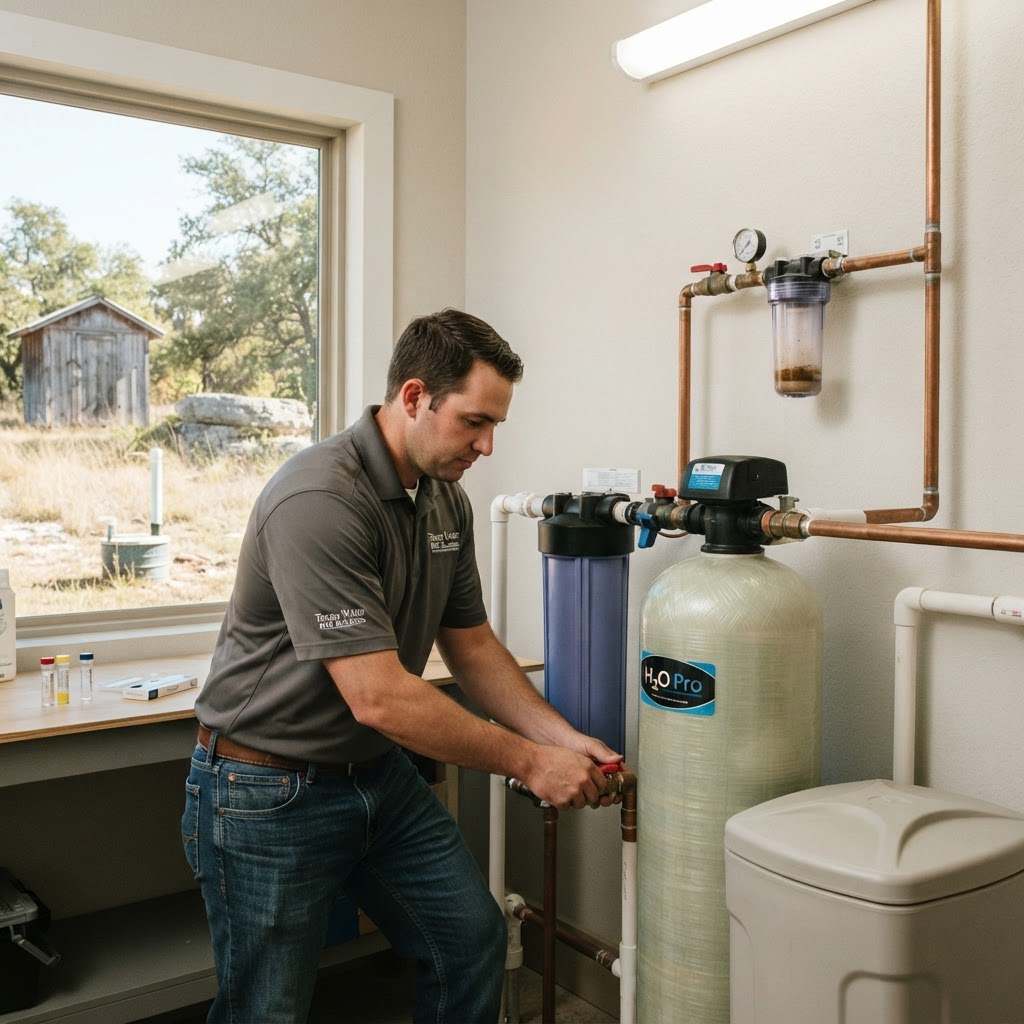
- Advise on next steps: simple repairs (pressure tank replacement, electrical fixes, pressure switch adjustment), well rehabilitation (cleaning/swabbing, screen work), or deeper issues like a failing pump or decreased aquifer yield.
Local factors to keep in mind in southeast Texas
- Clay soils common around Hockley and parts of Harris and Waller counties can shift and settle, potentially stressing well casings and connections.
- Droughts lower water tables and reduce well yield; conversely, heavy rains and hurricanes can cause surface flooding and contaminate wells.
- Nearby construction, drilling, or increased groundwater use in the neighborhood can change local aquifer dynamics.
Conclusion
Early recognition and prompt action can keep repairs straightforward and protect your household from contamination or a sudden loss of water. If you notice any of the signs above, stop drinking the water if it's suspect, conserve water, and contact a TCEQ-licensed well and pump professional to inspect and test your system.
Practical takeaway: don’t ignore changes in flow, taste, odor, or pump behavior — these are warning signs that deserve immediate attention. For help inspecting or servicing your well in the greater Houston area, call Aqua Star Well and Septic at 936-931-2443 for a licensed inspection and guidance.
Need Well or Septic Service?
Our licensed, insured team has served the greater Houston area since 1976. We're available seven days a week.
Call (936) 931-2443