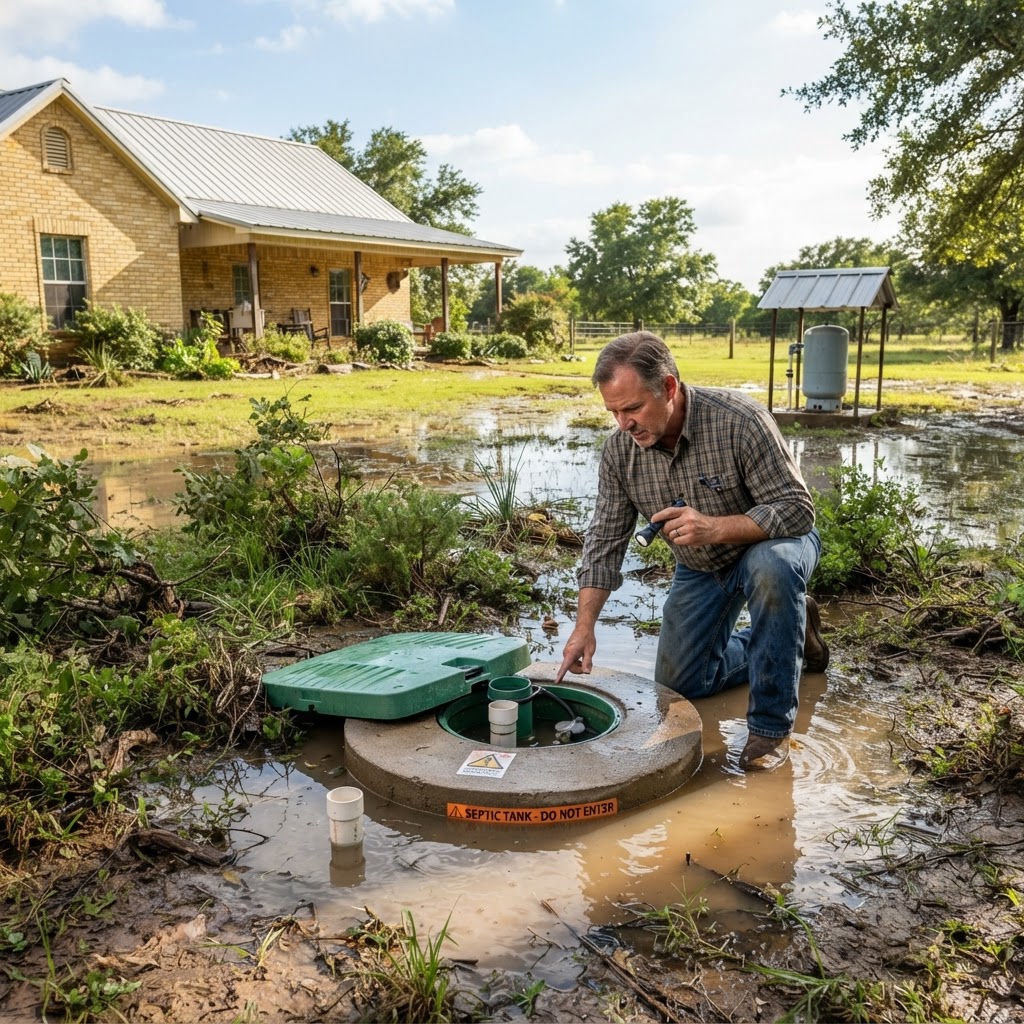
Protecting Your Septic System During Houston Hurricane Season
Hurricane season runs June through November in southeast Texas. Here's how to safeguard your septic system before, during, and after severe storms.
Aqua Star Team
Aqua Star Well and Septic, LLC
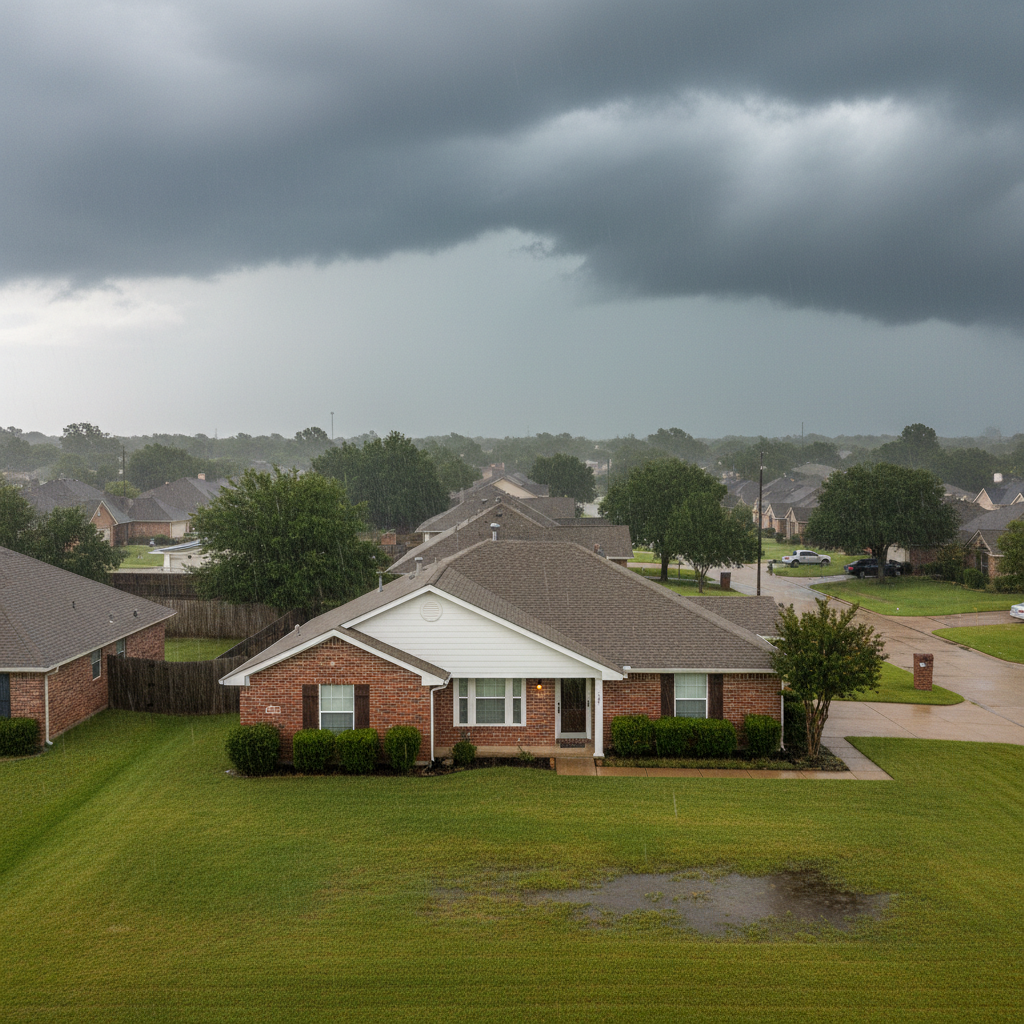
Hurricane season officially runs from June 1 through November 30 in southeast Texas, and for homeowners in the greater Houston area, that means preparing for the possibility of heavy rainfall, flooding, and extended power outages. While most people remember to secure their property and stock up on supplies, one critical system is often overlooked: the septic system.
At Aqua Star Well and Septic, LLC, we've helped Hockley, Cypress, Tomball, and surrounding communities protect their wastewater systems through every kind of Texas weather since 1976. Here's what you need to know to keep your septic system safe before, during, and after a storm.
Why Hurricanes Threaten Your Septic System
A septic system relies on a careful balance. Wastewater flows into the tank, solids settle, and liquid effluent drains into the drain field where the soil filters it naturally. When a hurricane or tropical storm dumps massive amounts of rain on already saturated ground, that delicate process breaks down.
The three biggest threats are:
- Saturated drain fields — When soil is waterlogged, it can't absorb effluent. Sewage can back up into your home or pool on the surface.
- Power outages — Aerobic septic systems rely on pumps and aerators. Without power, treatment stops and alarms can't function.
- Physical damage — Floodwaters can shift or damage tank lids, distribution boxes, and lines, leading to costly failures.
Before the Storm: Preparation Steps
Taking action before a hurricane arrives is the single most effective way to protect your system.
1. Pump Your Tank If It's Due
A tank that's already full has no room to buffer the surge of water that comes with heavy use during a storm. If you're overdue for pumping, schedule it early in the season — don't wait until a storm is in the forecast.
2. Locate and Secure Your Tank Lids
Make sure all lids are intact and properly secured. Loose or damaged lids can be dislodged by floodwater, creating both a safety hazard and an entry point for debris. Mark their locations now so they're easy to find after a storm.
3. Prepare for Power Loss
If you have an aerobic system, consider whether a backup generator is right for you. At minimum, know how your system's alarm works and plan to limit water use during an outage.
4. Conserve Water Before and During the Storm
The less water you send into the system during a storm, the better. Hold off on laundry, run only full dishwasher loads, and consider taking shorter showers.
During the Storm
If flooding occurs or your drain field is saturated:
- Stop using water if sewage begins to back up or you notice pooling above the drain field.
- Avoid running washing machines and dishwashers until the ground has a chance to drain.
- Do not pump the tank during flooded conditions — an empty tank in saturated ground can actually float or shift, causing serious damage.
After the Storm: Inspection and Recovery
Once floodwaters recede, your system needs attention before you return to normal use.
Inspect for Damage
Walk the area around your tank and drain field. Look for:
- Erosion or settling around the tank or lids
- Unusual wet spots, odors, or lush patches of grass over the drain field
- Cracked or shifted lids and risers
- Alarms that won't reset on aerobic systems
Have a Professional Assess the System
Even if everything looks fine from the surface, floodwater can carry silt and debris into your tank and drain lines, reducing capacity and efficiency. A licensed septic professional can inspect the system, check for blockages, and pump if needed.
Don't Rush Back to Full Use
Give the drain field time to recover. It can take days or even weeks for saturated soil to return to normal absorption rates. Continue conserving water during this period.
Long-Term Protection
The best defense against hurricane damage is a well-maintained system year-round. Regular inspections, timely pumping, and a maintenance contract keep your septic system in peak condition so it can weather the worst southeast Texas has to offer.
Aqua Star Is Here to Help
If your septic system has been affected by a storm — or if you'd like to schedule a pre-season inspection — our licensed, insured team is ready to help. We've been serving the greater Houston area since 1976, and we understand the unique challenges Texas weather brings to well and septic systems.
Call Aqua Star Well and Septic, LLC at 936-931-2443 to schedule an inspection or service. We're available seven days a week for emergency calls.
Need Well or Septic Service?
Our licensed, insured team has served the greater Houston area since 1976. We're available seven days a week.
Call (936) 931-2443