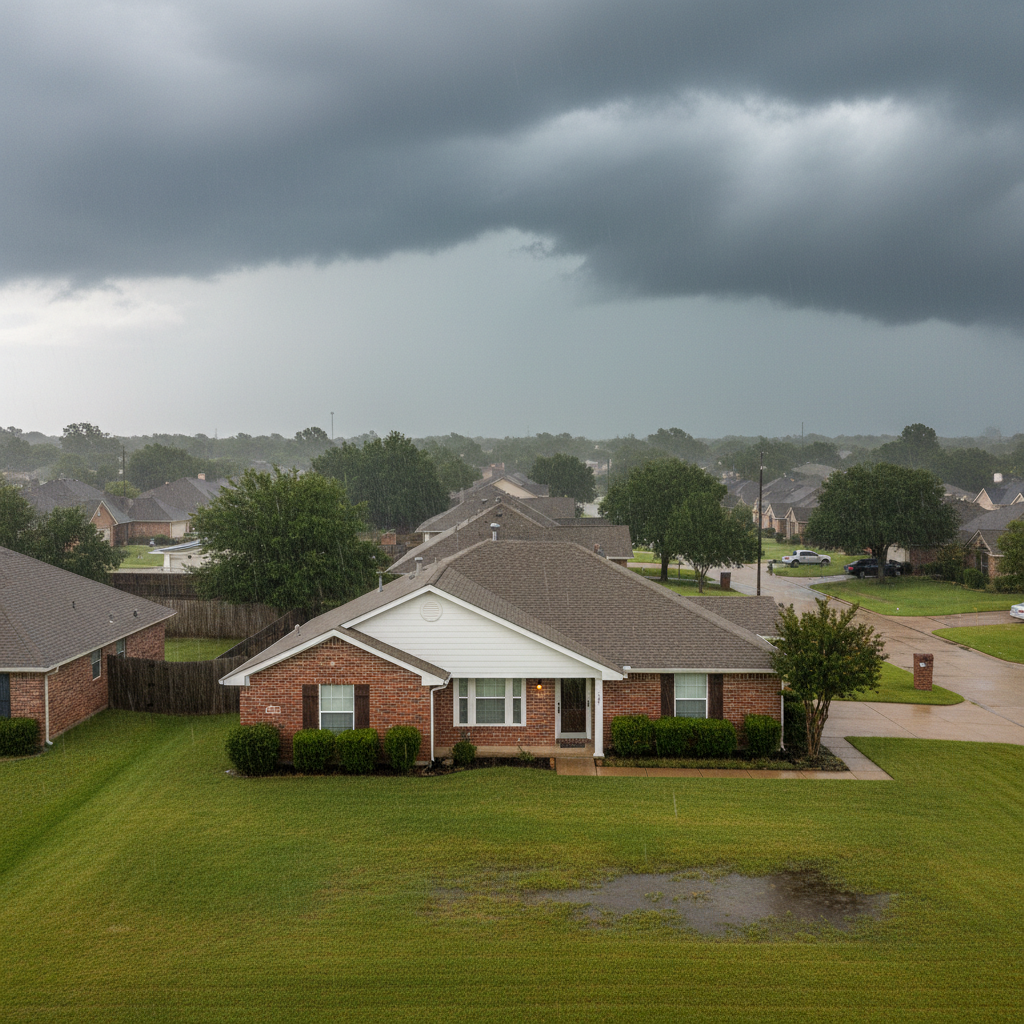
Flooding and your septic system: post-storm steps every homeowner should know
After heavy rain or a hurricane, flooded soils and high water tables can compromise septic systems. This guide covers safe, practical post-storm steps for Houston-area homeowners to protect health and limit damage.
Aqua Star Team
Aqua Star Well and Septic, LLC
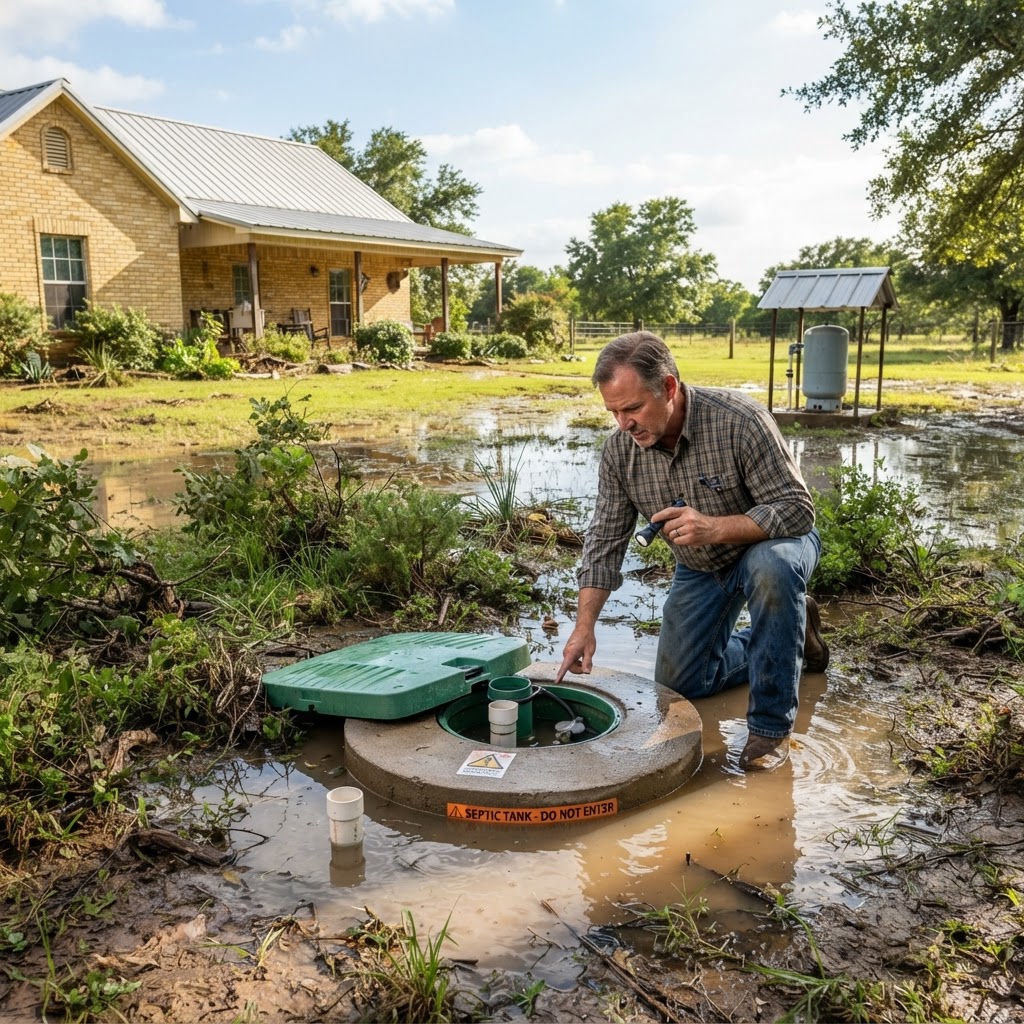
Flooding from heavy rain or tropical storms can leave your septic system saturated, backed up, or even damaged. In southeast Texas — including Harris County, Hockley, Cypress, Tomball, and Waller County — clay soils, a high water table, and hurricane-season storms mean homeowners should act carefully and promptly after a flood to protect their system and their family.
Safety first: avoid hazards and exposure
- Stay out of floodwater and avoid contact with standing sewage. Wastewater can contain bacteria, viruses, and chemicals.
- Keep children and pets away from flooded areas around the house and yard.
- If electrical components (pump controls, alarm panels) were submerged, cut power at the breaker and do not touch them until a qualified electrician or septic tech inspects them.
- Wear waterproof gloves, boots, and eye protection if you must enter contaminated areas. Disinfect any surfaces or items that contacted floodwater once it’s safe.
Initial checks once water levels drop
Only perform visual checks once floodwaters have receded and it’s safe to be outside:
- Look for obvious structural damage: cracked or displaced riser lids, visibly cracked tanks, or displaced manhole covers.
- Check the drainfield area for prolonged standing water, recent erosion, or obviously softened/compacted ground — clay soils common in our area can hold water and prevent proper drainage.
- Note any sewage odors inside the home, slow drains, gurgling toilets, or sewage backing up into fixtures — these are signs the system is stressed or backed up.
- Inspect any external electrical components for water intrusion, but do not open or power equipment until a pro inspects it.
What to do (and what not to do) about system use
- Conserve water: limit showers, laundry, dishwasher use, and other nonessential water use until your system is inspected and functioning normally.
- Do not flush anything other than toilet paper. Flood cleanup can tempt disposal of materials that will further clog the system (wipes, paper towels, disinfectant wipes, grease, etc.).
- Avoid driving or placing heavy equipment over the drainfield — saturated soils can compact easily and damage pipes.
- Do not attempt to pump or excavate the septic tank yourself unless you have the proper equipment and training. Pumping a tank while the drainfield and surrounding soils are saturated can cause solids to move into the field and make problems worse.
When to call a professional
Contact a qualified, licensed septic professional for inspection and any necessary repairs. In our region, a pro will:
- Perform a safe, thorough inspection of tanks, risers, lids, pumps, and control panels.
- Determine whether the tank needs pumping after solids have resettled and the drainfield can accept effluent.
- Repair or replace damaged components (risers, lids, pumps) and advise on whether the drainfield was compromised.
- Coordinate with electricians if control panels or alarms were submerged.
Also consider contacting local public health or your municipal office for guidance if sewage contaminated public areas or if you’re unsure about local public health advisories.
Preparing for the next storm (practical resilience steps)
- Keep an up-to-date service history and map of septic components (tank location, riser locations, drainfield area) — this speeds inspections and protects sensitive areas during cleanup.
- Consider risers and secure lids to keep access points above typical flood levels; consult a licensed contractor or septic professional for options and permitting questions.
- Avoid directing downspouts or grading runoff toward the drainfield; improved surface drainage reduces saturation risk.
- Schedule regular maintenance inspections and pump-outs during non-wet seasons so your system starts storm season in good condition.
- Discuss anchoring or securing septic tanks with a licensed professional if you’re in an area prone to deep flooding and high groundwater. Do not attempt to anchor tanks yourself without professional assessment.
Conclusion
Flooding stresses septic systems and raises public health risks, but careful safety steps, conservative water use, and timely professional inspection can limit damage and speed recovery. If your property in the greater Houston area experienced flooding, don’t wait to have your septic system checked — early action prevents bigger problems.
Practical takeaway: avoid contact with standing sewage, conserve water until a pro inspects the system, and call a licensed septic technician for any suspected damage or backup. For inspection or service, contact Aqua Star Well and Septic, LLC — TCEQ licensed and insured — at 936-931-2443.
Need Well or Septic Service?
Our licensed, insured team has served the greater Houston area since 1976. We're available seven days a week.
Call (936) 931-2443