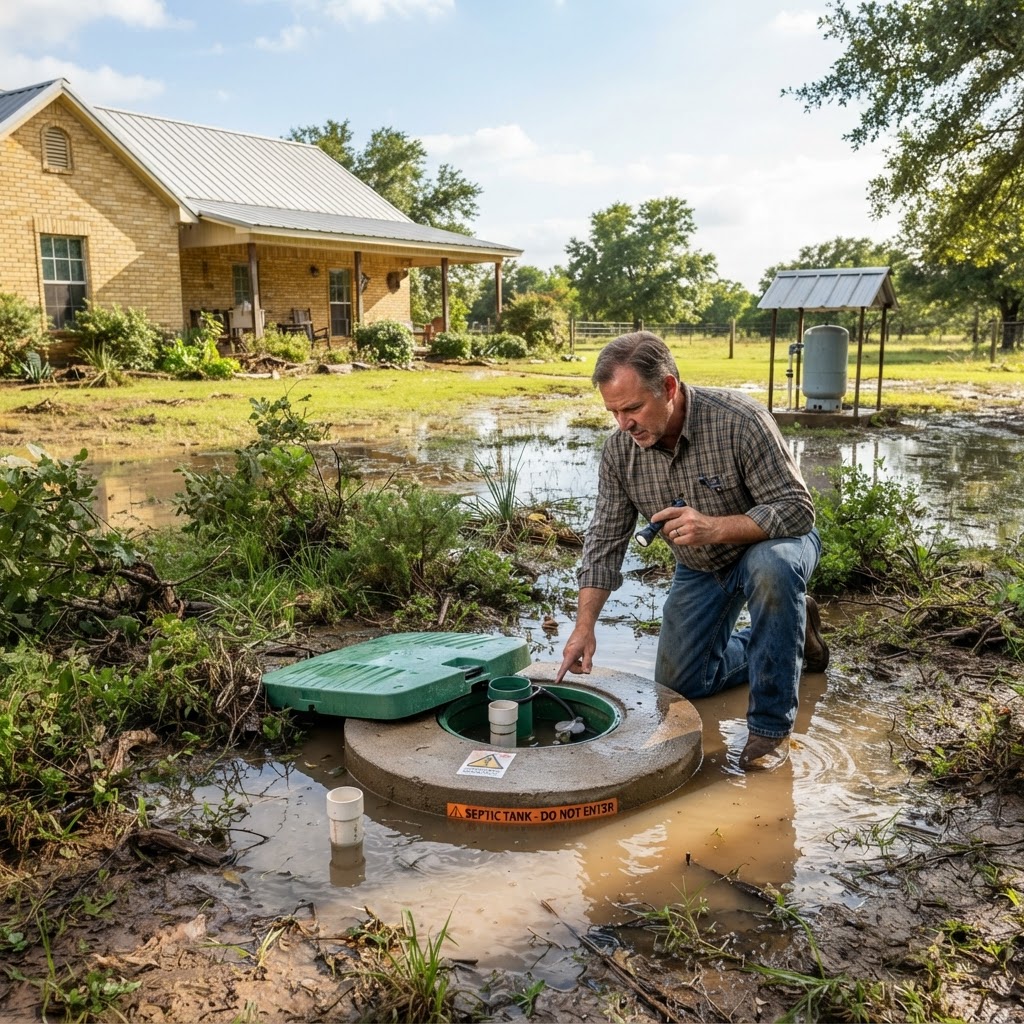
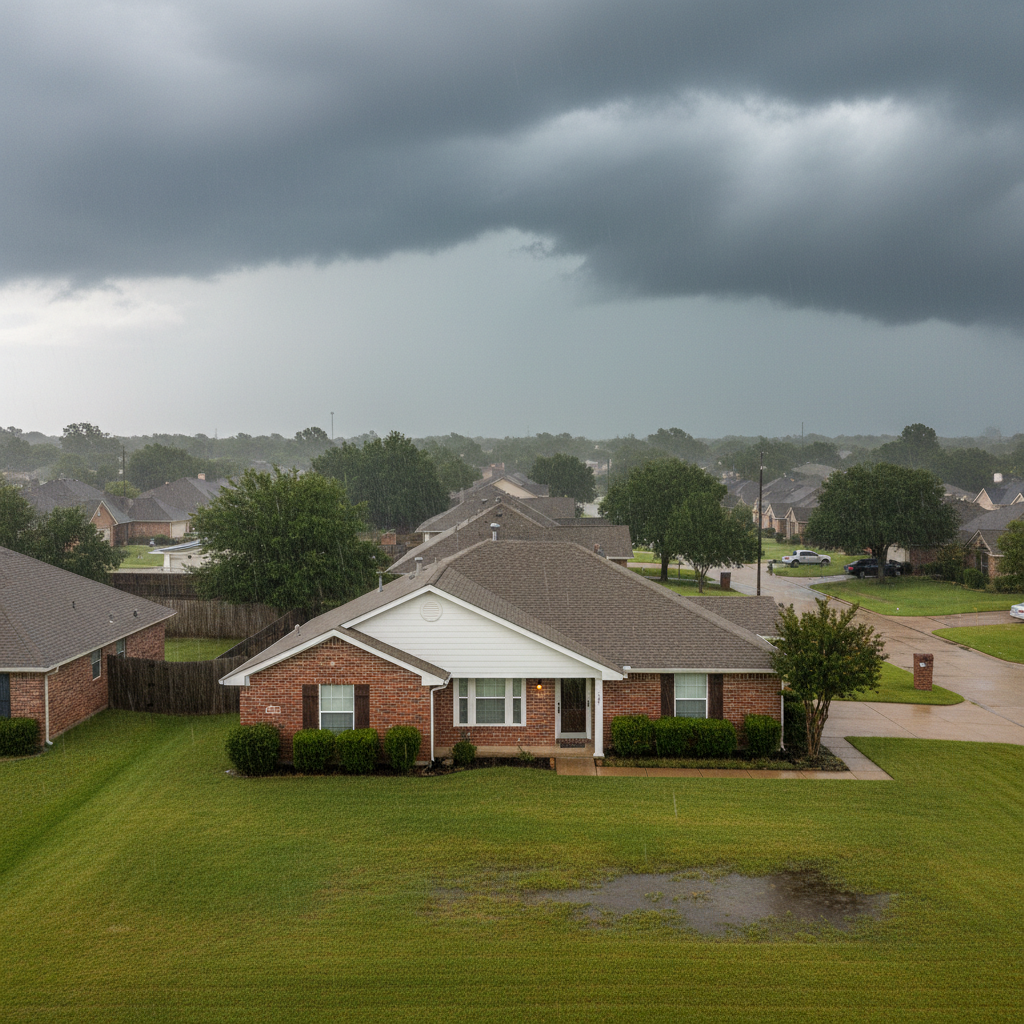
Preparing Your Well and Septic System for Hurricane Season in Southeast Texas
Heavy rain, flooding, and power outages can affect private wells and septic systems across the greater Houston area. Learn practical steps to prepare before a storm and what to check before using your system afterward.
Aqua Star Team
Aqua Star Well and Septic, LLC
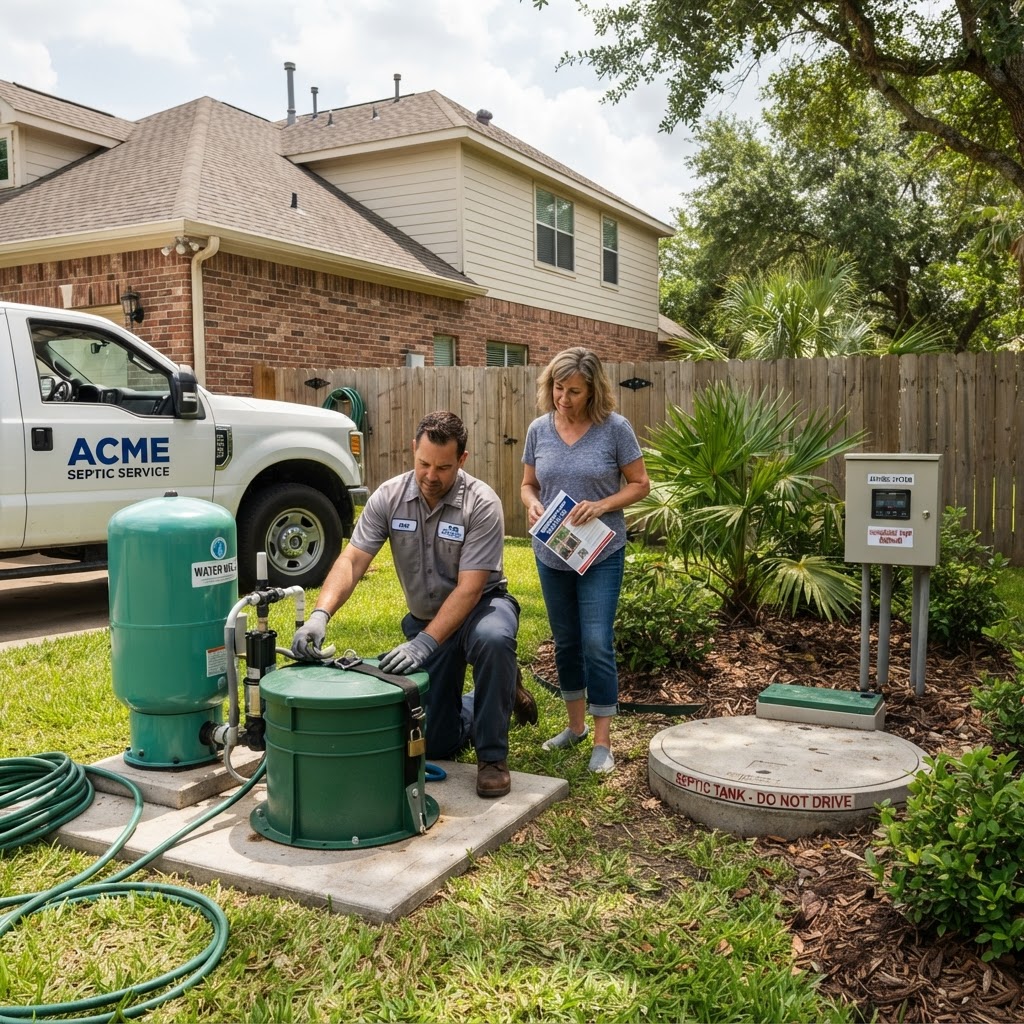
Southeast Texas hurricane season can bring intense rain, flooding, saturated clay soils, and extended power outages. For homeowners in Hockley, Cypress, Tomball, Harris County, and Waller County, preparing your private well and septic system before a storm can help reduce damage and protect your household water supply.
Before the storm: inspect and prepare
A little preparation can make it easier to spot problems and avoid preventable damage when conditions worsen.
- Check your well area. Make sure the well cap is secure and the area around the well is clear of debris. Keep chemicals, fuel, and other potential contaminants well away from the well.
- Check your septic system. Look for signs of trouble, such as slow drains, sewage odors, wet spots, or unusually lush growth over the drainfield. Address concerns before the ground becomes saturated.
- Know where components are located. Keep a record of your well, septic tank, drainfield, shutoffs, and electrical controls. This can help you avoid driving or placing heavy equipment over buried system components.
- Secure electrical equipment. If your well pump or septic controls could be exposed to floodwater, ask a qualified professional about protecting them. Do not handle electrical equipment in wet or flooded conditions.
- Store water for essential needs. Keep safe drinking water on hand in case the power fails or your well is affected. Follow current public health guidance for drinking water storage and use.
- Arrange service before an emergency. If your system has a known issue, schedule an inspection or repair before the storm rather than waiting until access and service are limited.
During heavy rain and flooding
Southeast Texas clay soils drain slowly, and prolonged rain can leave the ground saturated. A septic drainfield may not be able to absorb wastewater normally under those conditions.
- Limit water use if the septic system is under strain. Spread out laundry and other high-water-use activities, and avoid unnecessary showers or long runs of water.
- Do not pump a septic tank during or immediately after flooding unless a qualified professional advises it. In saturated soil, pumping can increase the risk of tank movement or damage.
- Keep vehicles and heavy equipment off the drainfield and septic tank area. Wet soil is more vulnerable to compaction and damage.
- Stay away from flooded wells, septic tanks, and electrical equipment. Floodwater can contain contaminants, and hidden openings or damaged components may create hazards.
- Follow local emergency instructions and any drinking-water advisories. A private well is not automatically safe to use simply because the water looks clear.
After the storm: check your well water
If floodwater reached the well, or you suspect the well was affected, do not drink or cook with the water until it has been assessed and made safe. Flooding can introduce bacteria and other contaminants, and storm damage can affect the well cap, casing, wiring, or pump.
- Visually check the well and nearby area for flood damage, a loose or damaged cap, exposed wiring, or debris. Do not touch damaged electrical components.
- If the well was flooded or damaged, contact a qualified well professional or your local health authority for guidance on inspection, disinfection, and water testing.
- Use bottled or otherwise verified safe water for drinking, cooking, brushing teeth, and preparing infant formula until the well is confirmed safe.
- If your water changes in color, odor, or taste, stop using it for consumption and seek professional guidance. Appearance and taste alone cannot confirm that water is safe.
- Do not attempt electrical repairs or well disinfection unless you know the correct procedure and can do so safely. Improper treatment may fail to address the problem or create additional hazards.
After the storm: protect your septic system
Give a saturated drainfield time to recover. Using too much water while the soil is still wet can contribute to backups or wastewater surfacing in the yard.
Watch for sewage backing up into the home, gurgling drains, foul odors, or wet areas around the tank or drainfield. If you notice these signs, reduce water use and contact a septic professional. Keep people and pets away from any wastewater or sewage on the ground, and do not open the tank yourself.
Once the soil has dried, check for erosion, exposed pipes, displaced covers, or other visible damage. Avoid driving over the area, and arrange an inspection if anything looks out of place. Do not assume a system is working normally just because the house drains are flowing; some damage may not be immediately obvious.
Keep a simple storm plan
Save contact information for your well and septic service provider, keep system records where you can access them, and note any previous repairs or recurring issues. After a storm, use water conservatively until you know both systems are operating properly.
The practical takeaway: prepare before the rain, avoid contact with floodwater, and treat a flooded or damaged well as unsafe until it has been professionally assessed. For an inspection or service, contact Aqua Star Well and Septic, LLC at 936-931-2443.
Need Well or Septic Service?
Our licensed, insured team has served the greater Houston area since 1976. We're available seven days a week.
Call (936) 931-2443