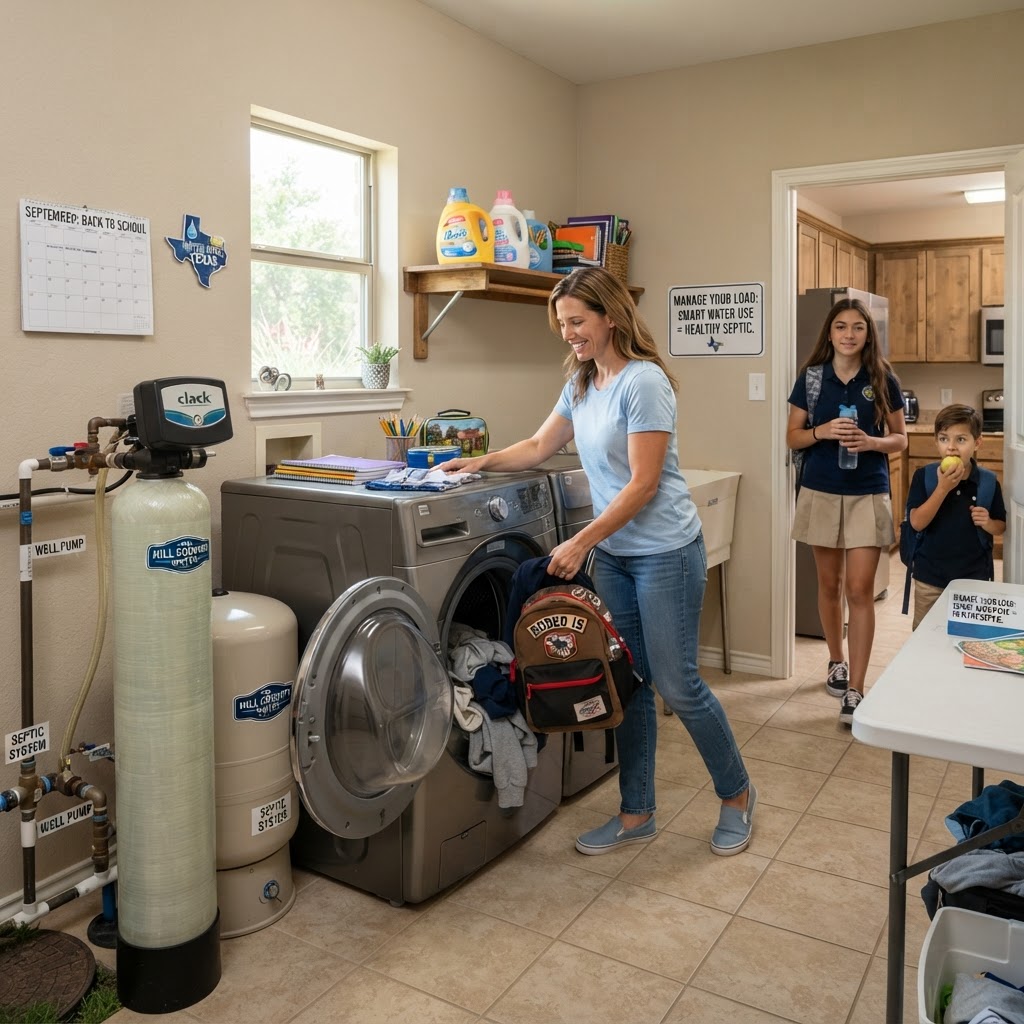
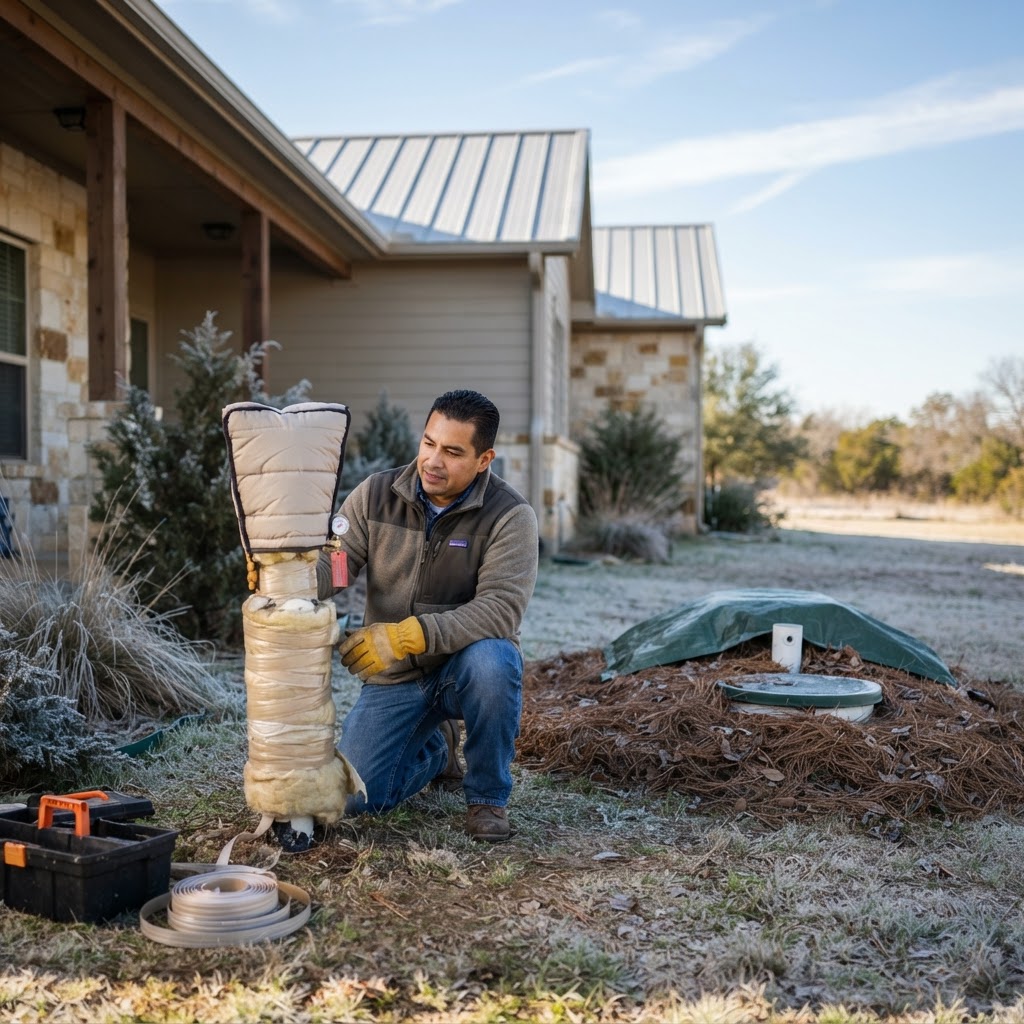
The hidden costs of ignoring routine septic maintenance
Skipping routine septic maintenance can create expensive, hazardous, and time-consuming problems—especially in southeast Texas where clay soils, hurricane season, and shifting water tables make drainfields more vulnerable. Regular inspections and simple habits protect your system, property, and health.
Aqua Star Team
Aqua Star Well and Septic, LLC
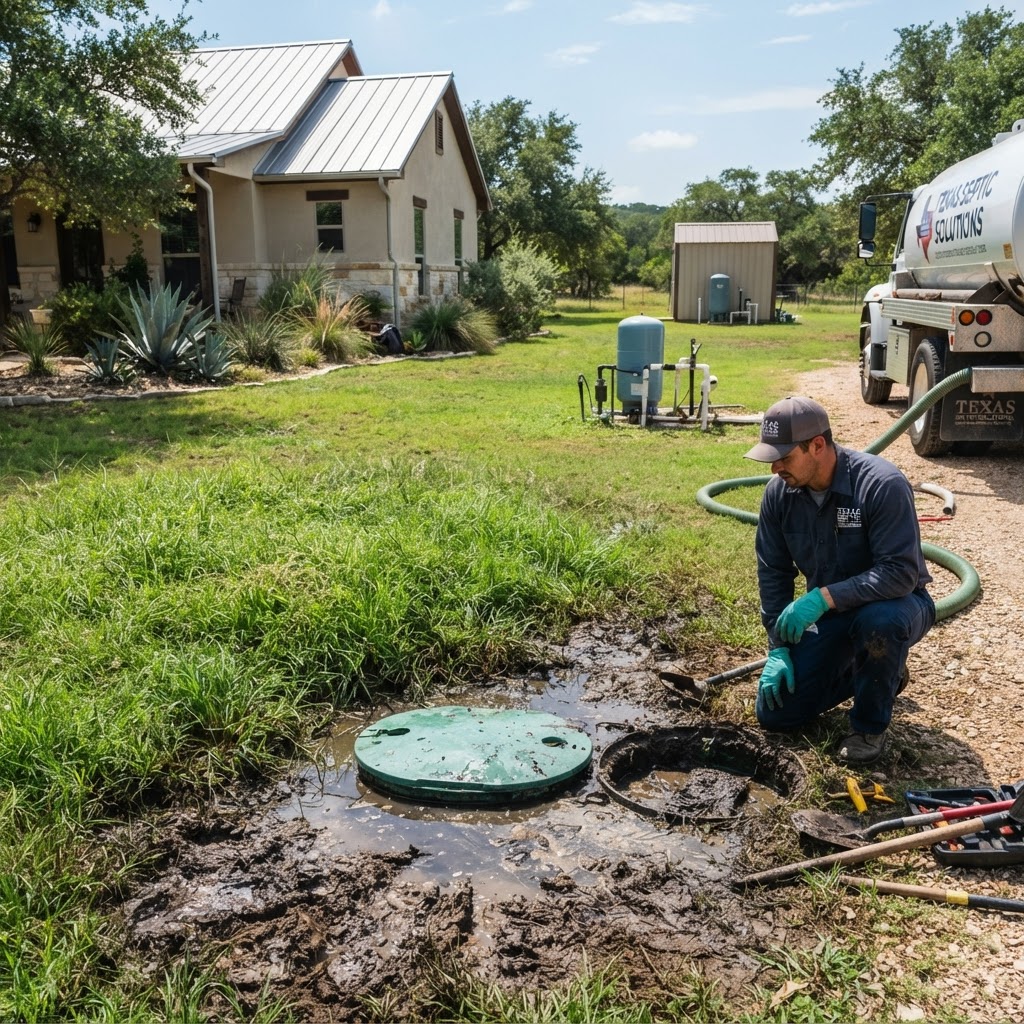
Septic systems are out of sight for most homeowners, but out of mind can be costly. In the greater Houston area—Hockley, Cypress, Tomball, Harris County, and Waller County—local soil types and weather patterns make routine septic care especially important. Ignoring maintenance doesn’t just risk a smelly nuisance; it can cause property damage, health hazards, and complex repairs down the line.
Why southeast Texas conditions make maintenance critical
- Clay soils common around Harris and Waller counties drain slowly and can reduce the effective lifespan of a drainfield.
- Heavy rains and hurricane-driven flooding can saturate drainfields, causing backup and system stress.
- Extended dry spells and ground movement can expose pipes, crack tanks, or change the way wastewater flows through soil.
- Mature trees and landscaping common to suburban lots (Cypress, Tomball, Hockley) increase the risk of root intrusion into tanks and pipes.
Local climate and soils don’t create problems alone, but they increase the importance of regular checks and proactive care.
The hidden costs of neglect (beyond a foul odor)
- Emergency repairs or premature replacement of the drainfield or tank due to solids clogging the soil absorption area.
- Property damage from backups or surface sewage that can affect lawns, patios, or living spaces.
- Health risks from bacterial contamination of surface water or private wells—especially if you have a nearby well on your property.
- Reduced property value or complications during a home sale if system records and recent inspections aren’t available.
- Landscape restoration costs when heavy equipment is needed to access or replace drainfields.
- Increased disruption and inconvenience—emergency digs, raw sewage cleanup, or temporary loss of plumbing use.
Early warning signs to watch for
- Slow drains, gurgling toilets, or frequent backups in multiple fixtures.
- Areas of unusually lush, green grass or persistent wet/soggy spots above the drainfield.
- Foul odors around the septic tank, drainfield, or inside the home.
- Sewage surfacing in the yard or unusually high water levels in the tank (if you have access to the lid).
- Plumbing noises or bubbling in toilets when using other water fixtures.
If you see these signs—especially after heavy rain or a storm—don’t delay. Quick action can limit damage.
Practical maintenance steps for homeowners
- Schedule routine inspections with a TCEQ-licensed septic professional—inspections identify issues before they become failures.
- Pump the tank when inspections indicate it’s needed. Frequency depends on household size, tank capacity, and water use.
- Conserve water and spread out high-water-use activities (laundry, showers) to reduce strain on the system.
- Don’t flush fats, grease, “flushable” wipes, sanitary products, or harsh chemicals—these accelerate solids buildup and can harm the drainfield.
- Keep heavy vehicles and structures off the drainfield to prevent compaction and damage to pipes.
- Avoid planting trees or shrubs with aggressive root systems near the tank or drainfield.
- Divert roof drains, sump pumps, and surface runoff away from the drainfield to prevent saturation.
- Keep an up-to-date record of tank location, service history, and permits—useful for inspections and when selling a home.
Working with a local, licensed provider
Choosing a local, TCEQ-licensed and insured company means technicians understand Houston-area soils, high water table risks, and storm season impacts. Regular professional inspections and timely repairs are the best ways to avoid emergency situations that disrupt your home and landscape.
Conclusion
Routine septic maintenance prevents not just unpleasant odors but a cascade of hidden costs: emergency repairs, property and health risks, and extended disruption. In our southeast Texas climate—where clay soils, storms, and shifting water tables raise the stakes—proactive care is particularly important.
Practical takeaway: watch for early warning signs and schedule regular inspections tailored to your household and site conditions. For a licensed inspection or service from a local team that understands Harris County, Waller County, and the Hockley–Cypress–Tomball area, contact Aqua Star Well and Septic, LLC (TCEQ licensed and insured) at 936-931-2443.
Need Well or Septic Service?
Our licensed, insured team has served the greater Houston area since 1976. We're available seven days a week.
Call (936) 931-2443