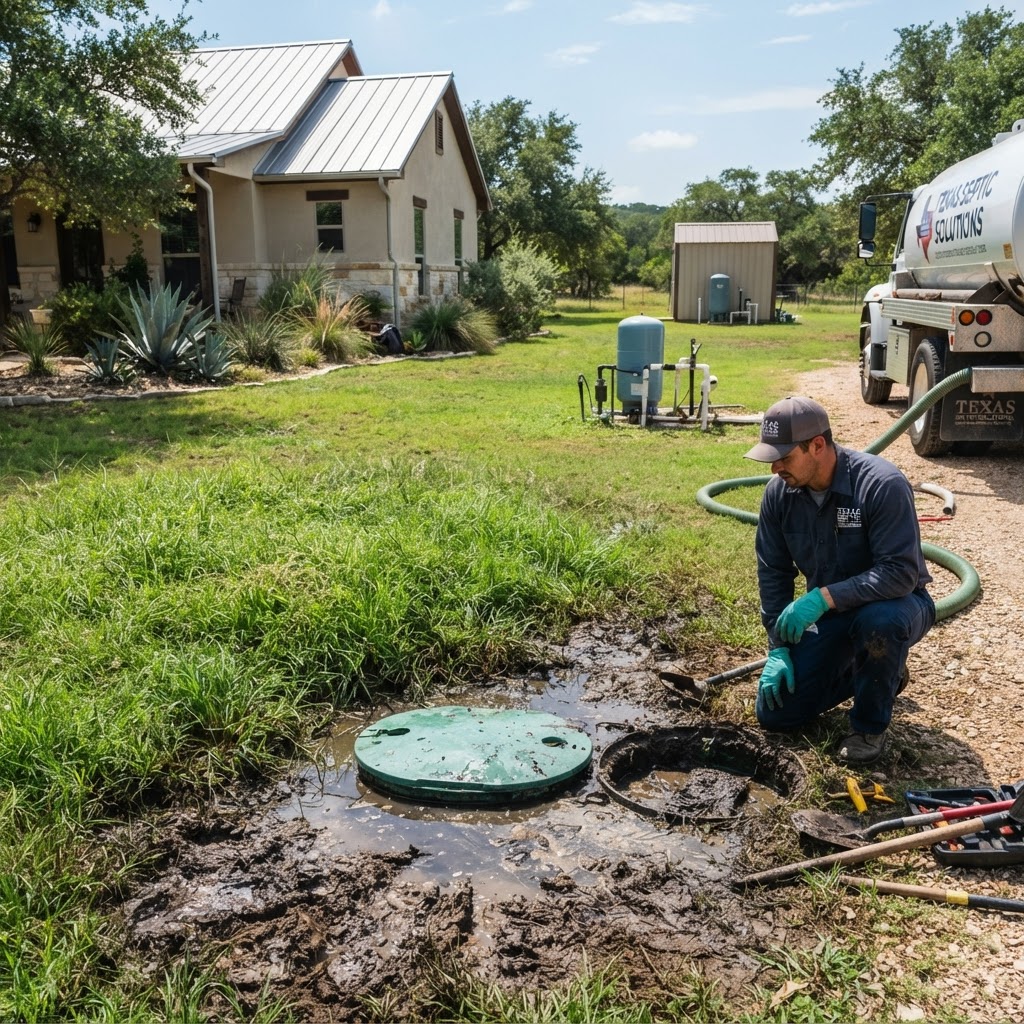
Cold weather tips for your well and septic system during a Texas winter
Even in southeast Texas a cold snap can cause frozen pipes, stressed wells, and septic problems. These practical tips help homeowners around Hockley, Cypress, Tomball, and Waller County protect their systems and avoid emergency repairs.
Aqua Star Team
Aqua Star Well and Septic, LLC
Winters in southeast Texas are usually mild, but occasional freezes and sustained cool weather can still cause trouble for wells and septic systems. If you own property in Hockley, Harris County, Cypress, Tomball or Waller County, a few simple precautions now will reduce the risk of frozen pipes, damaged pumps, and septic backups when temperatures drop.
Prepare your well for cold snaps
- Inspect the wellhead and cap: make sure the cap seals properly and that insulation or a protective box around the wellhead is intact. Moisture infiltration and drafts increase freeze risk.
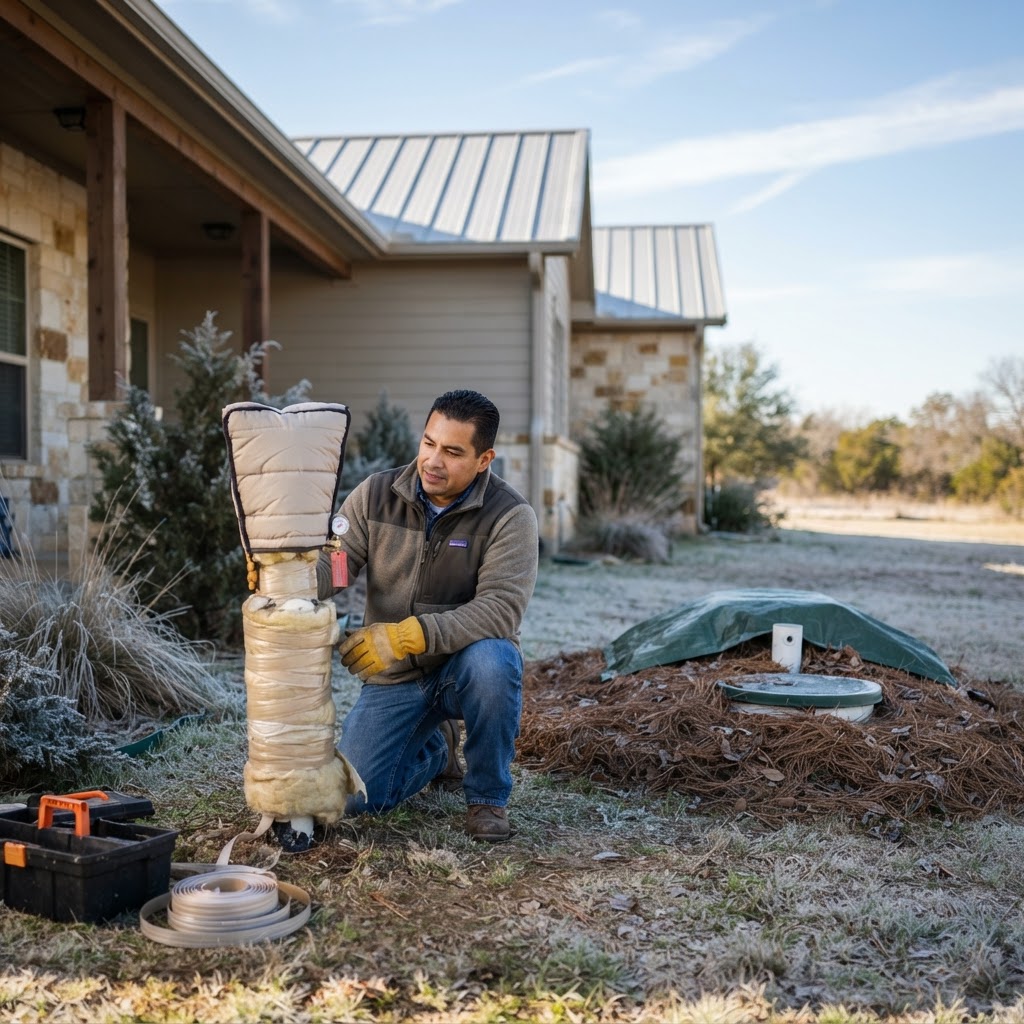
- Protect exposed piping and the pump: insulate any exposed pipes, pressure tanks, or pump housings with foam pipe wrap or insulated covers. For small aboveground pump houses, add weather stripping around doors and consider a safe low-wattage heater or thermostatically controlled heat tape designed for water systems.
- Monitor water level during dry spells: southeast Texas can swing from drought to heavy rain. If you experienced low water tables during recent droughts, watch your well’s performance during cold weather—pumps can overwork if water levels are low.
- Keep a plan for power outages: winter storms can knock out power. If you rely on an electric pump, have a generator-compatible transfer switch and a safe plan to run the pump during outages to avoid frozen pipes and pressure losses.
Protect your septic system in colder weather
- Conserve water during cold snaps: spreading out laundry and other high-water-use tasks reduces hydraulic stress on the drainfield and helps the system maintain biological activity in cooler soil temperatures.
- Insulate exposed components: protect distribution boxes, manhole covers, and aboveground risers with foam insulation or insulated covers to limit heat loss.
- Keep the drainfield covered and shaded: a layer of mulch (straw or leaves in a controlled amount) over the drainfield helps hold ground heat and slows freezing. Avoid compacting the soil—don’t park or drive heavy equipment over the area, especially on clay soils common in the Houston region.
- Watch for signs of trouble: slow drains, gurgling plumbing, or soggy patches over the drainfield after cold weather are warning signs. Preventative inspections before winter can catch issues early.
Practical property-level steps (pipes, tanks, and landscaping)
- Insulate indoor and outdoor pipes: foam sleeves on exposed outdoor spigots and on pipes in crawlspaces or unheated garages provide simple protection. Disconnect garden hoses—remaining water in a hose can freeze and back up into the outdoor shutoff.
- Maintain a small, steady flow when a hard freeze is forecast: letting a cold-proofed faucet drip slightly can prevent freezing in long runs of pipe. This is usually a short-term measure for extreme cold.
- Secure risers and lids: septic risers, electrical boxes for well pumps, and junction boxes should be tightly closed to keep cold air and water out.
- Address landscaping and drainage: southeast Texas’s clay soils hold moisture and can heave in freezes. Ensure surface water drains away from wells and septic tank lids to reduce saturation that can stress components in colder weather.
When to call a professional
- Schedule a pre-winter inspection: a qualified technician can check pump performance, pressure tanks, electrical connections, well casing seals, and septic component access. This is especially helpful if you live in older neighborhoods around Hockley, Cypress, Tomball, or rural parts of Waller County.
- Call for unexpected symptoms: if you notice banging pipes, loss of pressure, persistent backups, frozen-looking lines, or power-related pump issues, contact a licensed well and septic professional rather than attempting complex repairs yourself.
Conclusion
A little preparation goes a long way in protecting your well and septic system during a Texas winter. Insulate exposed components, conserve water during cold snaps, and keep an eye on system performance—especially in areas with clay soils or after extended dry spells. For a professional inspection or winterizing service, contact Aqua Star Well and Septic, LLC — family-owned and serving the greater Houston area since 1976. We are TCEQ licensed and insured and ready to help ensure your well and septic systems are winter-ready. Call us at 936-931-2443.
Practical takeaway: add insulation, protect exposed parts, and call a licensed technician if you see warning signs. For inspection or service, call Aqua Star at 936-931-2443.
Need Well or Septic Service?
Our licensed, insured team has served the greater Houston area since 1976. We're available seven days a week.
Call (936) 931-2443