Back-to-School Season: Managing Household Water and Septic Load
Back-to-school routines can quickly increase household water use and septic demand. Learn practical ways to manage laundry, showers, kitchen wastewater, and drainage during southeast Texas weather.
Aqua Star Team
Aqua Star Well and Septic, LLC
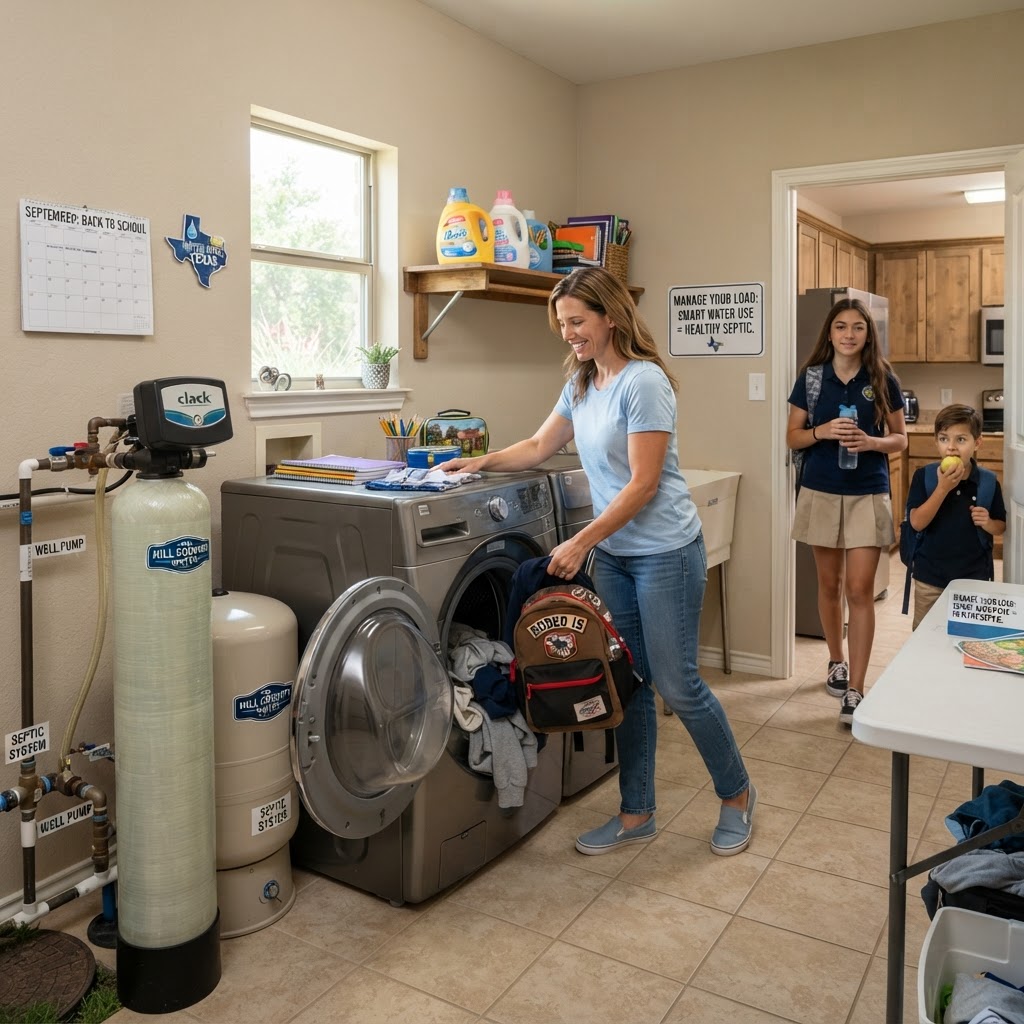
Back-to-school schedules often mean more showers, fuller laundry baskets, extra meals, and greater daily use of sinks and toilets. For homes with private wells and septic systems in Hockley, Cypress, Tomball, Harris County, Waller County, and nearby communities, a few routine changes can help prevent unnecessary strain as the school year begins.
Why school routines affect your well and septic system
A household may use water more heavily when everyone is preparing for school and work at the same time. Several activities can overlap:
- Morning showers and toilet use
- Breakfast preparation and dishwashing
- Frequent handwashing
- Sports uniforms, towels, and school clothing
- After-school showers and evening laundry
- Increased use of garbage disposals and cleaning products
Your septic system receives the wastewater from these activities. If water enters the tank faster than the system can settle and treat it, solids may be pushed toward the drainfield. A private well may also experience pressure changes when multiple fixtures run at once, especially if the pump, pressure tank, or well system needs maintenance.
Spread out laundry, showers, and high-use activities
The easiest way to reduce short-term stress is to avoid sending large amounts of water into the septic system all at once.
- Run full loads of laundry instead of several small loads.
- Space laundry throughout the week rather than washing everything on one day.
- Avoid running the washing machine while multiple people are showering.
- Repair dripping faucets and running toilets promptly.
- Use water-efficient settings when they provide adequate cleaning.
- Encourage shorter showers during busy mornings.
Laundry wastewater can be particularly important because a washing machine may discharge a substantial volume in a short period. If your home has a septic system, spreading loads apart gives the tank and drainfield more time to handle wastewater.
Protect the septic system from avoidable problems
Only wastewater and appropriate toilet paper should go down household drains and toilets. During the school year, remind children and guests not to flush or rinse away items such as:
- Wipes, even when labeled flushable
- Paper towels and tissues in large quantities
- Feminine hygiene products
- Dental floss and cotton products
- Grease, oil, and cooking fats
- Harsh chemicals, paint, or automotive fluids
Use garbage disposals sparingly if your home has septic service. Food solids add to the tank’s load, and grease can contribute to plumbing and septic issues. Scrape plates into the trash or compost where appropriate, and collect cooking oil for proper disposal rather than pouring it down the sink.
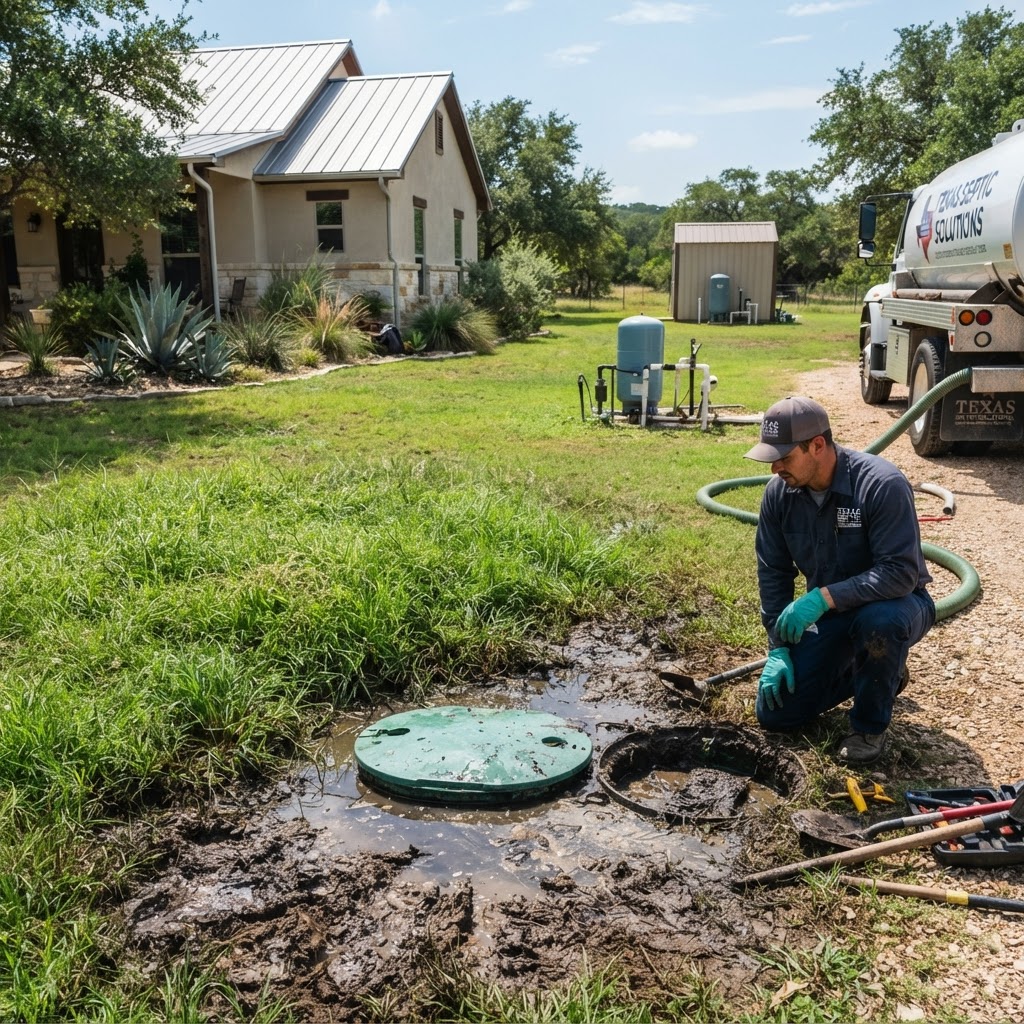
If wastewater drains slowly, toilets gurgle, sewage odors appear, or unusually wet areas develop near the drainfield, reduce water use and arrange an inspection. Do not wait for a complete backup before addressing warning signs.
Consider southeast Texas weather and soil conditions
Homes in the greater Houston area may experience heavy rainfall, hurricanes, tropical storms, and periods of hot, dry weather. Clay soils common in parts of Harris and Waller counties can drain slowly and may expand when wet or shrink during drought. These conditions can affect surface drainage and the way a septic drainfield receives wastewater.
During and after heavy rain:
- Keep vehicles and heavy equipment off the drainfield.
- Avoid extra water use if the yard is saturated.
- Check that roof gutters and downspouts direct water away from the septic area.
- Watch for standing water, sewage odors, or unusually lush vegetation over the drainfield.
- Keep stormwater from entering septic tanks, cleanouts, or inspection openings.
During dry periods, do not assume a drainfield is functioning normally simply because the ground looks dry. Drought can stress landscaping and soil, while sudden heavy rain can overwhelm already saturated areas. Maintain clear drainage paths and avoid changing the grade around the septic system without professional guidance.
Keep well water safe and dependable
Back-to-school preparation is also a good time to check the private well system. Inspect the well cap and visible plumbing for damage, keep the area around the well free of standing water and debris, and make sure household chemicals, fuel, and fertilizers are stored away from the well.
A licensed professional can evaluate concerns such as fluctuating water pressure, cloudy or unusual-smelling water, pump cycling, or a sudden change in well performance. After flooding or significant storm impacts, ask about appropriate well-water testing and disinfection guidance. Water quality concerns should be handled carefully rather than corrected by adding household chemicals without professional direction.
Plan maintenance before the busiest part of the year
A routine inspection can identify developing issues before they interrupt school mornings or family schedules. Keep records of septic pumping and service, and follow the maintenance recommendations for your specific system. Pumping needs vary based on tank size, household size, wastewater volume, and the amount of solids entering the tank, so there is no single schedule that fits every property.
Before the school year gets busy, consider checking:
- Well pressure and pump operation
- Septic tank access and service history
- Drainfield drainage and vegetation
- Slow drains, odors, or plumbing backups
- Gutters and surface-water flow near the system
The practical takeaway is simple: spread out high-water activities, keep solids and chemicals out of the septic system, and pay attention to drainage and warning signs after southeast Texas weather. For a well or septic inspection, maintenance question, or service need in Hockley and the greater Houston area, contact Aqua Star Well and Septic, LLC at 936-931-2443.
Need Well or Septic Service?
Our licensed, insured team has served the greater Houston area since 1976. We're available seven days a week.
Call (936) 931-2443