Drain field care: protecting the most important part of your septic system
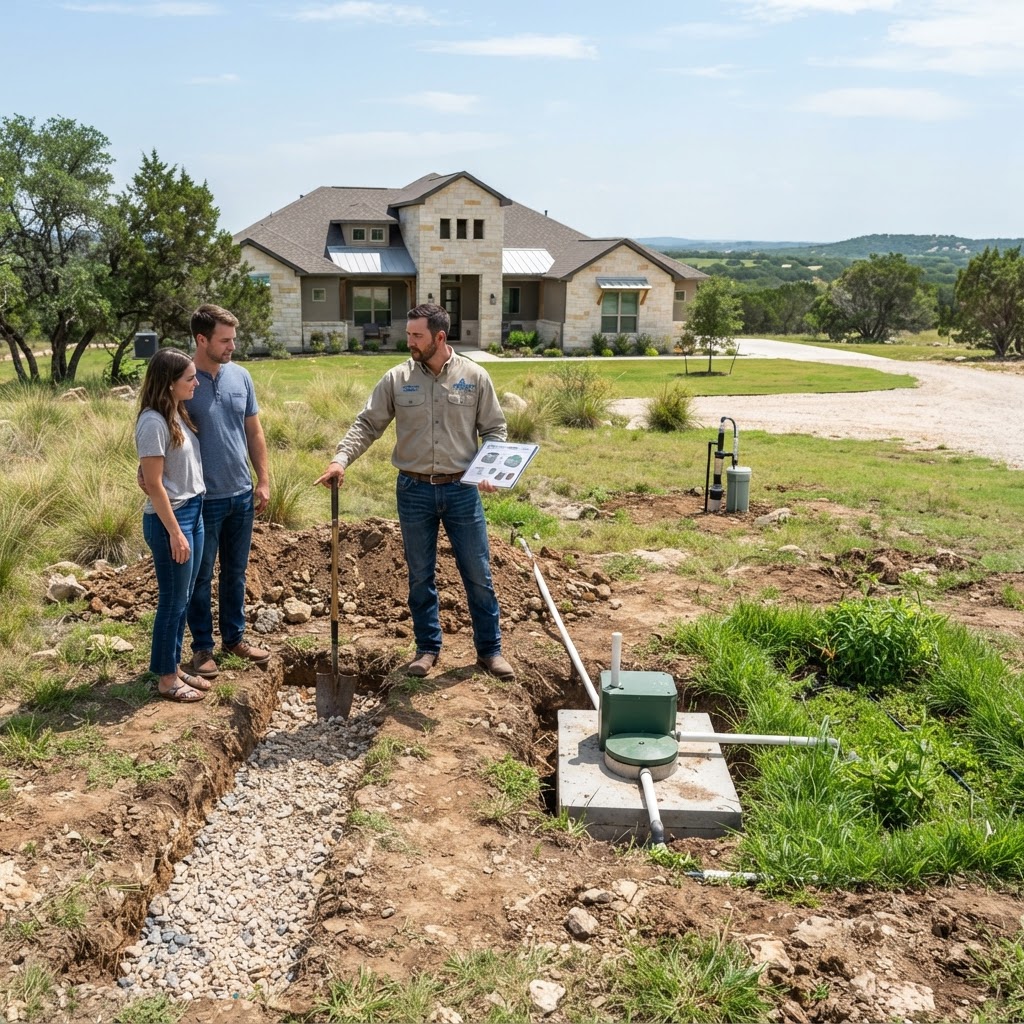
A drain field (leach field) is the heart of your septic system — it treats and disperses effluent into the soil. Proper care and simple habits can keep it working for decades, especially in southeast Texas’ clay soils and hurricane-prone conditions.
Aqua Star Team
Aqua Star Well and Septic, LLC
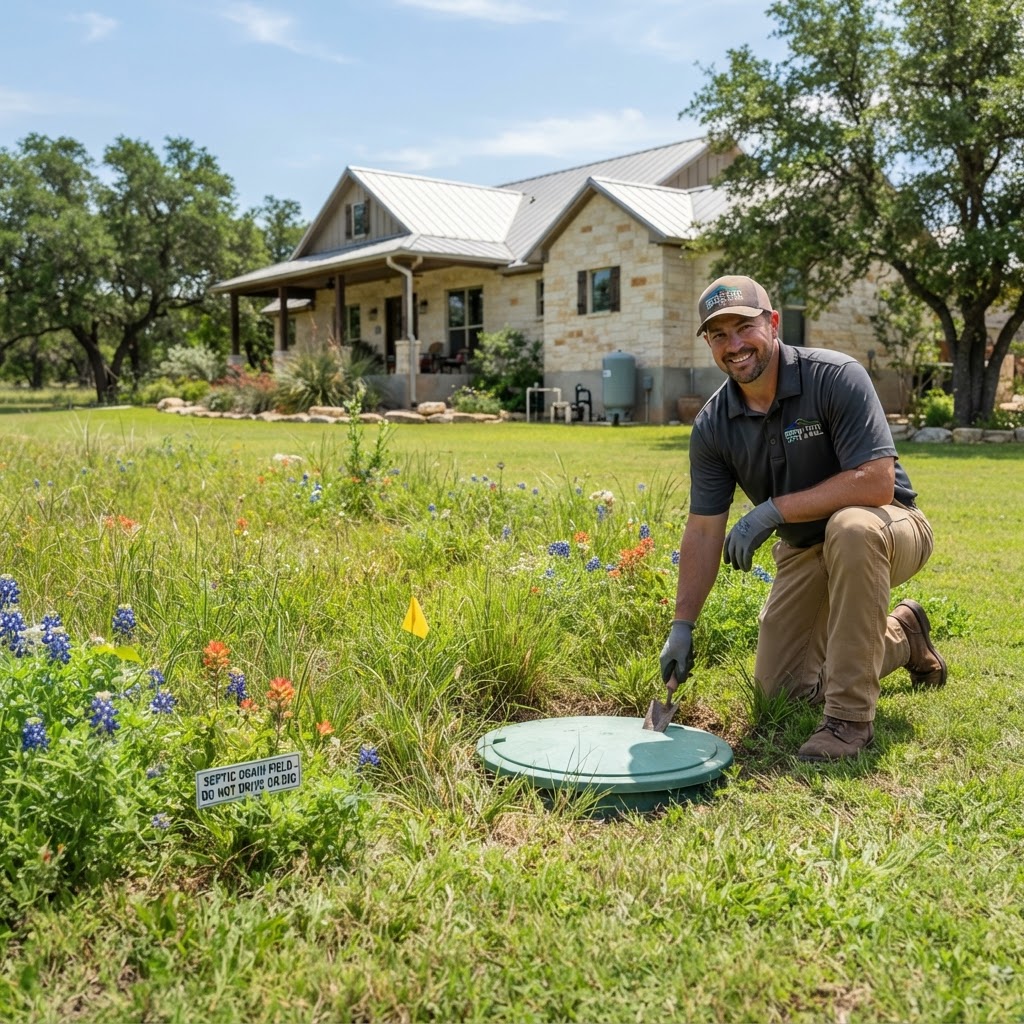
Your drain field is where the treated wastewater leaves the tank and returns safely to the ground. In the greater Houston area — from Hockley to Cypress, Tomball and into Waller and Harris counties — local soils, seasonal heavy rains, hurricanes and periods of drought all affect how well a drain field performs. A little preventative care goes a long way toward avoiding costly repairs or replacements.
Why the drain field matters
- The drain field disperses effluent from the septic tank into the soil, where natural microbes finish treating it. If the field is overloaded or becomes clogged, effluent can back up into the house or surface, creating health and environmental hazards.
- Southeast Texas often has clay-rich soils that drain slowly; that makes proper operation and water management especially important here.
- Flooding during hurricane season can saturate drain fields and temporarily stop them from working. Conversely, drought can compact soils and affect how effluent moves through the ground.
Everyday habits that protect your drain field
- Conserve water: spread out laundry and dishwasher loads throughout the week rather than doing many in one day.
- Fix leaks promptly: even small constant leaks increase hydraulic load on the drain field.
- Watch what you flush or pour down drains: avoid wipes (even "flushable" wipes), grease, oils, coffee grounds, medications, and harsh chemicals that can kill the beneficial bacteria in your tank and clog the field.
- Use septic-friendly household products and minimal antibacterial cleaners when possible.
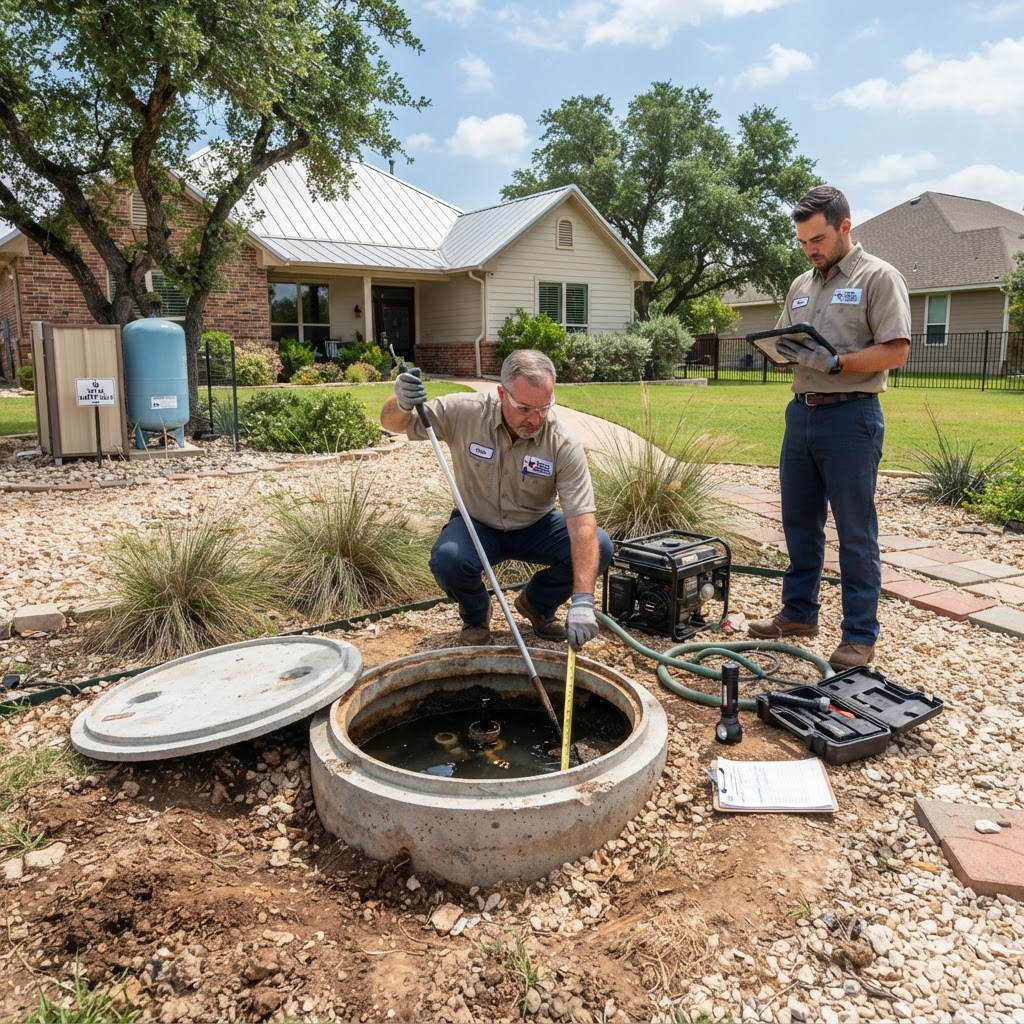
- Service your septic tank regularly: keeping solids out of the drain field is one of the best protections. Talk with a licensed professional about inspection and pumping frequency for your household and tank size.
Landscaping, vehicles and surface water — do's and don'ts
- Do plant grass or shallow-rooted ground cover over the drain field to help control erosion and evaporation.
- Don't plant trees or deep-rooted shrubs near the drain field — roots can infiltrate pipes and distribution boxes.
- Keep heavy equipment, cars, and structures off the drain field to avoid compacting the soil or crushing pipes.
- Direct gutters, downspouts, and surface runoff away from the drain field so the area doesn’t stay saturated during heavy rains. In southeast Texas and hurricane season, managing stormwater is critical to prevent prolonged saturation.
- Avoid paving over the field; the soil needs air to treat effluent properly.
What to do if you suspect drain field problems
- Signs of trouble: persistent sewage odors, slow drains throughout the house, soggy or unusually green areas over the drain field, or backups.
- Immediate steps: reduce water use, stop using the garbage disposal if you have one, and avoid adding chemicals to the system.
- Call a licensed septic professional for an inspection — a trained technician can check tank levels, inspect distribution boxes, and advise on repairs or temporary workarounds.
- Don’t attempt major repairs yourself. Drain field issues often require experienced assessment and may involve permitting in some jurisdictions.
Local considerations for Hockley, Cypress, Tomball and surrounding areas
- Clay soils common in Harris and Waller counties slow percolation; your system design and maintenance schedule should reflect that.
- During hurricane season, expect temporary interruptions: after heavy flooding avoid using excessive water and schedule an inspection once the ground drains.
- In dry spells, keep vegetation established over the field to reduce cracking and soil compaction. A professional can advise on site-specific adjustments.
Conclusion
Regular attention to water use, what you put down drains, landscaping choices, and timely inspections will protect your drain field and extend the life of your septic system. Practical takeaway: mark and protect the drain field area, conserve water, and call a licensed technician at the first sign of trouble. For inspection or service from a TCEQ-licensed and insured company serving the greater Houston area, contact Aqua Star Well and Septic, LLC at 936-931-2443.
Need Well or Septic Service?
Our licensed, insured team has served the greater Houston area since 1976. We're available seven days a week.
Call (936) 931-2443