Building a New Home in the Houston Area: Planning Your Septic System
Planning a septic system early can prevent delays, drainage problems, and costly design changes during new-home construction. Learn the key steps Houston-area property owners should consider, from soil and site evaluation to permitting, installation, and long-term care.
Aqua Star Team
Aqua Star Well and Septic, LLC
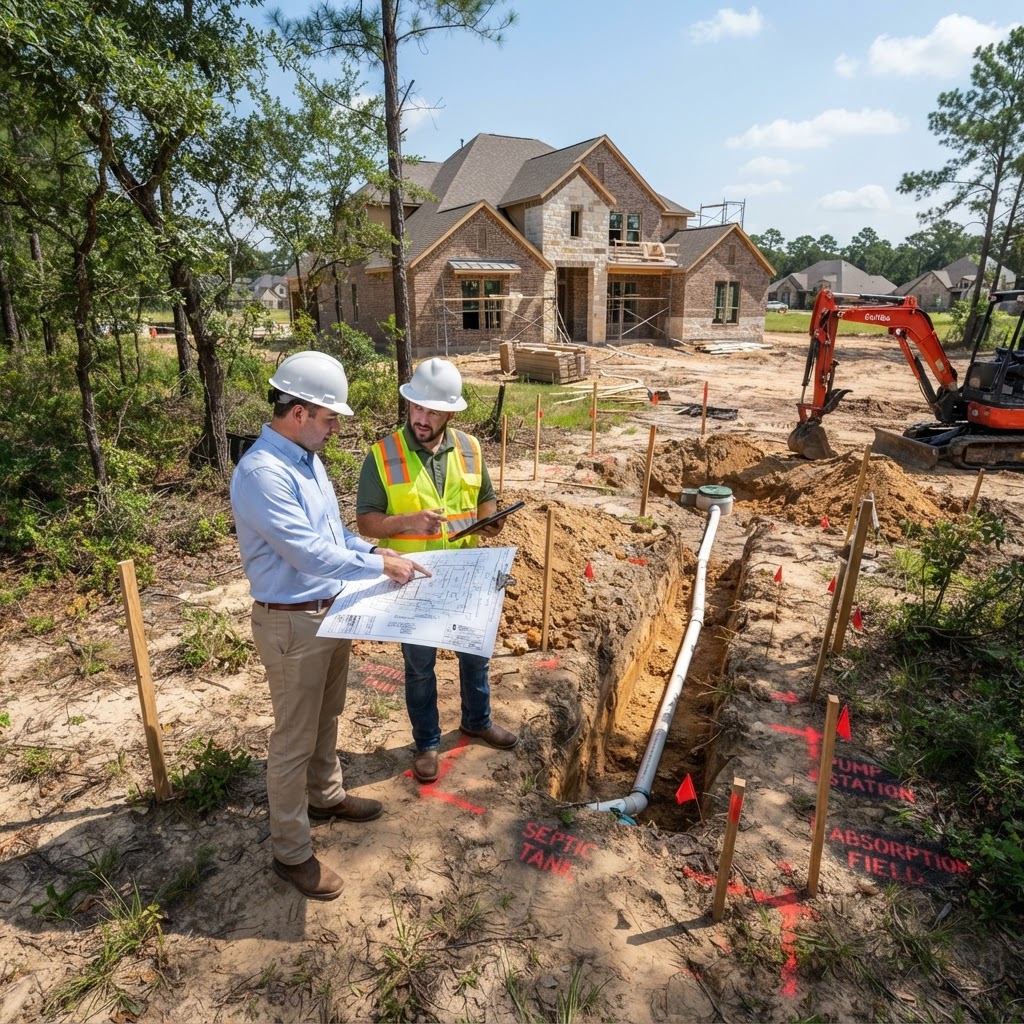
Building a home outside an established sewer service area requires more than choosing a floor plan. In parts of Hockley, Cypress, Tomball, Waller County, Harris County, and surrounding communities, a properly planned septic system is an essential part of the site design.
Houston-area conditions can make septic planning especially important. Heavy rainfall, hurricane-season storms, periods of drought, expansive clay soils, high groundwater in some locations, and rapid development can all affect how a system is designed and maintained. Starting early helps your septic professional, home builder, surveyor, and local authorities coordinate the project.
Confirm Whether Septic Is Appropriate for the Property
Before finalizing a home site or building plan, determine whether the property will connect to a public sewer system or require an on-site sewage facility, commonly called a septic system.
Ask these questions early:
- Is public sewer available at the property, or is service planned for the future?
- Are there deed restrictions, utility agreements, or development requirements affecting wastewater treatment?
- Has the property previously had a septic system, well, or other wastewater facility?
- Are there easements, floodplain concerns, drainage channels, ponds, or neighboring wells that could limit the usable area?
- Is enough suitable land available for the primary treatment and disposal area, as well as any required reserve area?
A property that appears large enough may have much less usable space once the home, driveway, pool, outbuildings, well, property lines, drainage features, and required setbacks are considered.
Schedule a Site and Soil Evaluation Early
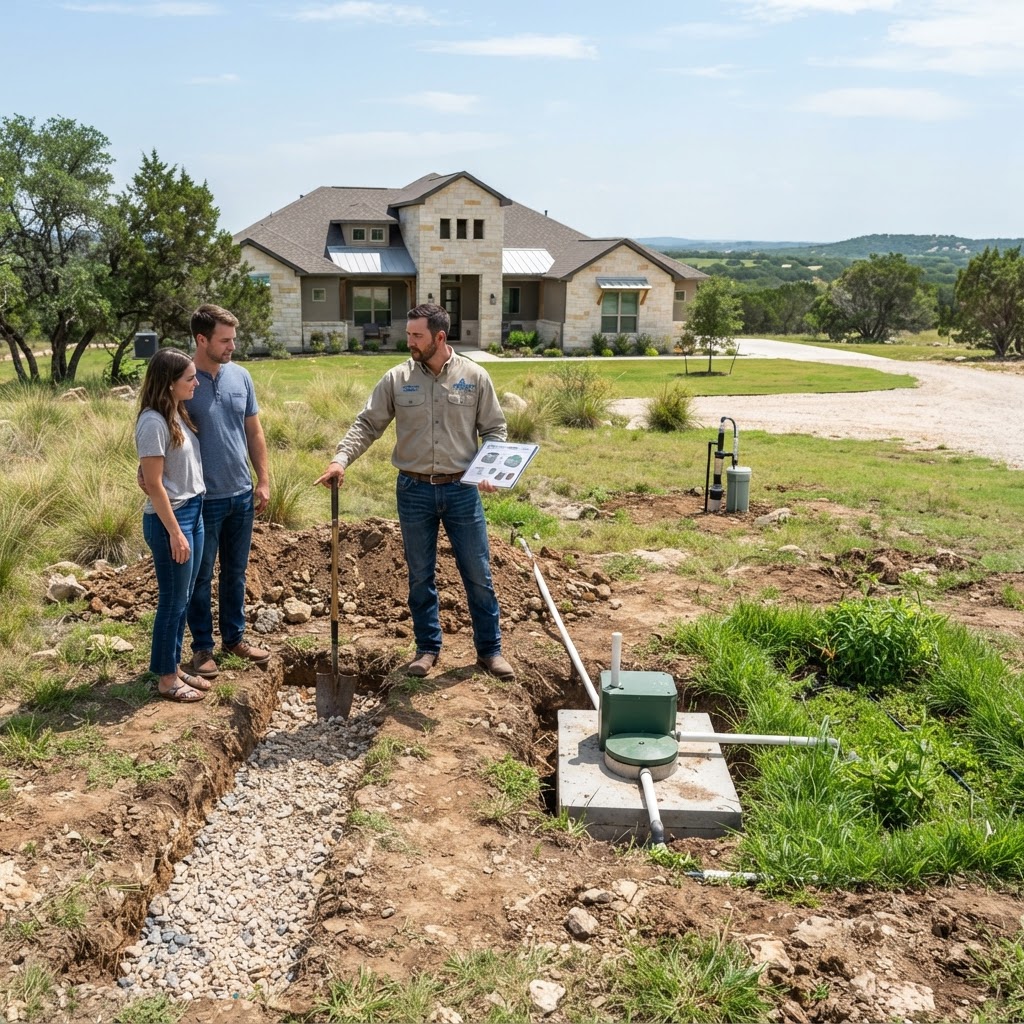
A septic system should be designed for the site—not selected solely by house size or the number of bedrooms. A qualified professional will evaluate the soil, topography, drainage, groundwater conditions, proposed home location, and expected wastewater flow.
Houston-area soils can vary considerably. Dense clay and slowly draining soils may affect the type, size, or layout of the system. A lot near Cypress, Hockley, Tomball, or Waller may have different conditions from another property only a short distance away. Low-lying or poorly drained areas may also require additional design considerations.
The evaluation should help identify:
- Suitable locations for the tank and dispersal area
- Soil characteristics and estimated wastewater absorption capacity
- Potential seasonal groundwater or drainage issues
- Required setbacks from wells, structures, property lines, water bodies, and other features
- Space for a replacement or reserve area
- Whether pumps, advanced treatment, or other components may be appropriate
Do not place the home, driveway, detached garage, pool, or landscaping before the septic layout is considered. Construction in the disposal or reserve area can make future repairs difficult or impossible.
Coordinate Design, Permits, and Construction
Texas on-site sewage facilities are regulated through state and local requirements, and the applicable permitting authority can depend on the property’s location. Work with a TCEQ-licensed professional who understands the requirements for your county and development area.
Before installation begins, make sure the project team has coordinated:
- The approved site evaluation and system design
- The applicable permit or authorization
- Tank and disposal-field locations
- Access for installation and future maintenance
- Electrical needs for pumps, alarms, or control equipment
- Final grading and drainage plans
- Required inspections and documentation
Your septic professional should communicate directly with the builder when possible. The system needs to be installed according to the approved design, and changes in the home footprint, bedroom count, plumbing layout, grading, or driveway location may require review before construction continues.
It is also wise to maintain copies of the permit, design, inspection records, as-built information, tank location, and maintenance instructions. These documents can be valuable when troubleshooting, selling the property, adding improvements, or planning an addition.
Plan Around Houston Weather and Site Drainage
Southeast Texas weather can place significant stress on a septic system. Heavy rain and tropical storms can saturate the soil and temporarily reduce its ability to accept wastewater. Surface water should never be directed toward the tank or disposal area.
During site planning, discuss:
- Positive drainage away from the house and septic components
- Roof gutters and downspouts that discharge away from the disposal area
- Swales, berms, or other measures needed to divert stormwater
- Protection of the septic area from construction traffic and soil compaction
- Flooding risks and access during wet conditions
- Safe locations for electrical controls and alarm equipment
Drought can also affect the property. Extended dry weather may cause clay soils to shrink and settle, while sudden heavy rain can produce runoff and saturation. Good grading, proper vegetation, and keeping heavy vehicles off the septic area help protect the system through changing conditions.
Build in Maintenance From the Beginning
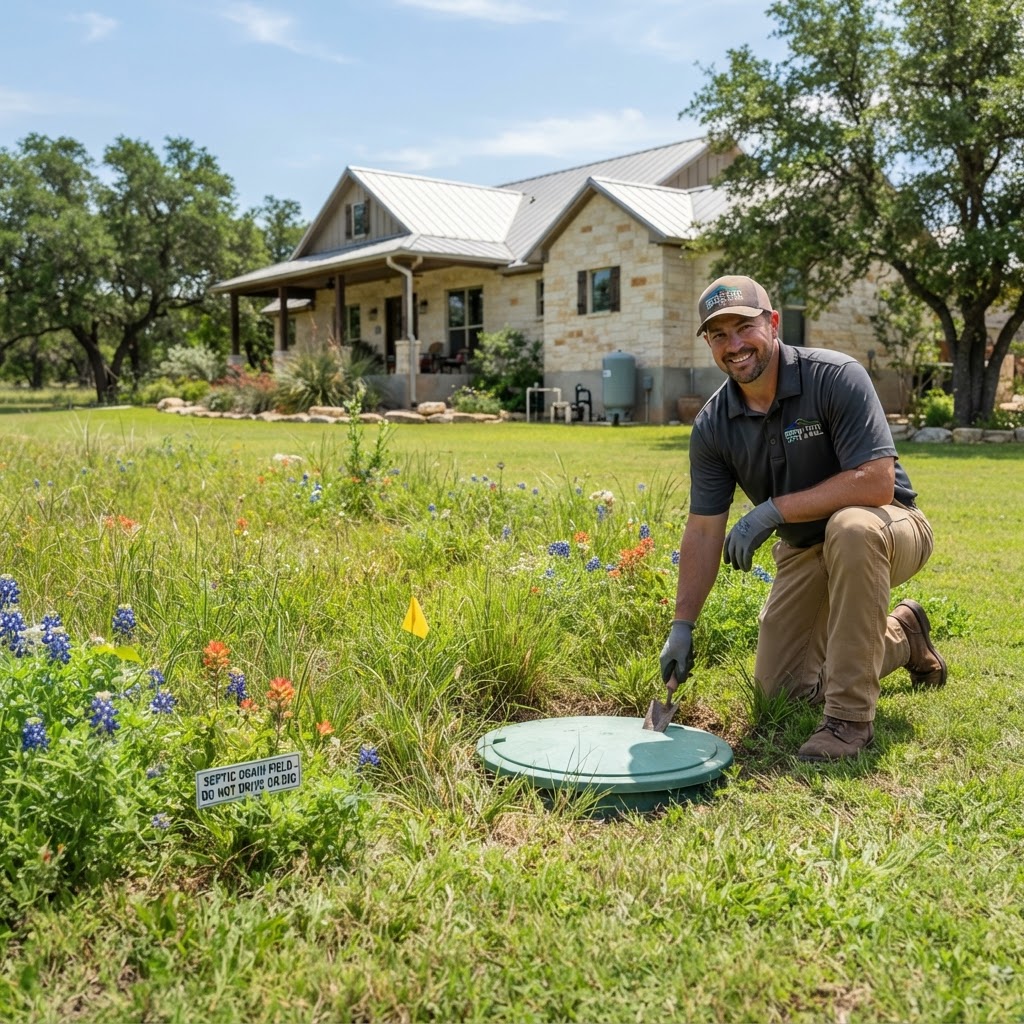
A new septic system still requires routine care. Before moving in, learn where the tank, access lids, distribution components, cleanouts, control panel, and reserve area are located. Consider having access points marked or mapped so future service does not require unnecessary excavation.
Helpful habits include:
- Use water efficiently and repair leaks promptly.
- Keep grease, harsh chemicals, paints, solvents, and non-degradable products out of drains.
- Flush only wastewater and toilet paper; do not flush wipes, paper towels, or personal-care products.
- Keep vehicles, sheds, concrete, and deep-rooted landscaping off the disposal area.
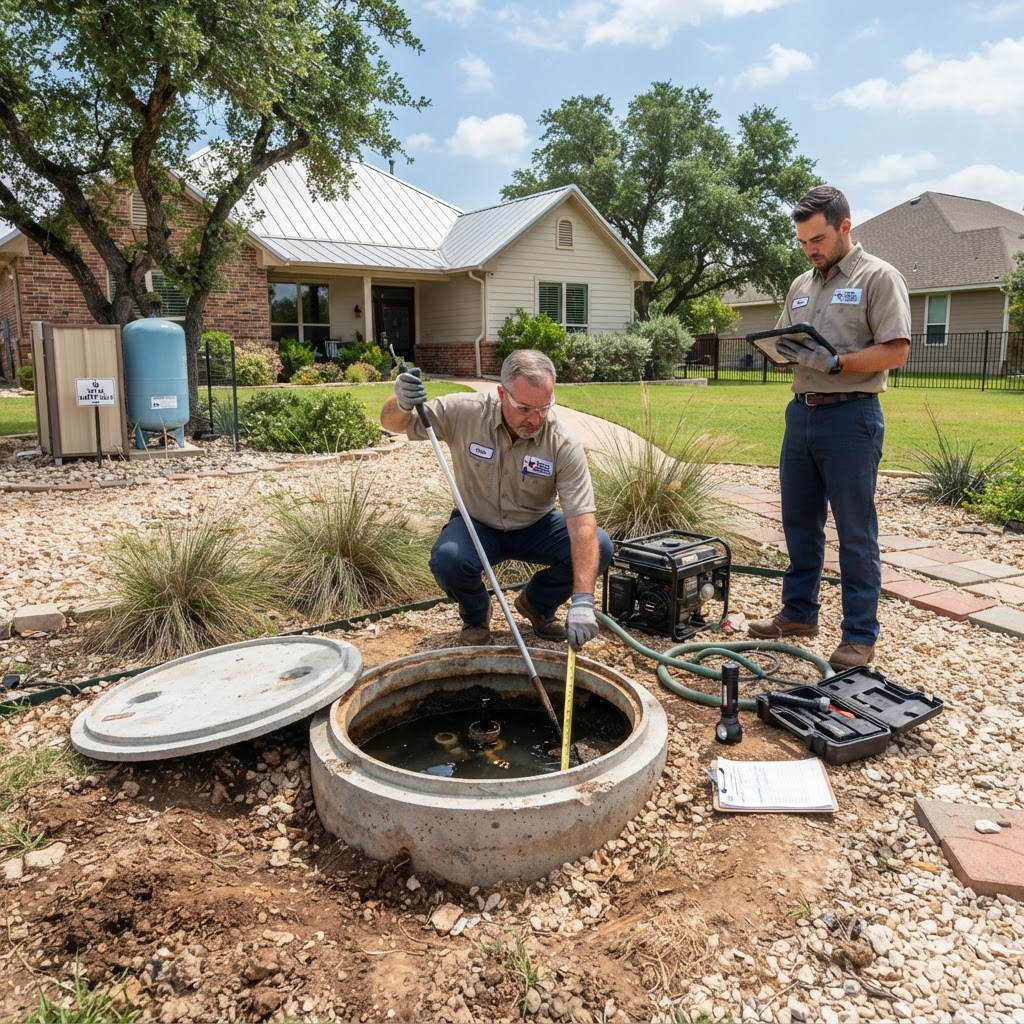
- Schedule inspections and pumping based on household use, tank size, and professional recommendations.
- Respond promptly to alarms, slow drains, sewage odors, or unusually wet areas.
If a pump or advanced treatment equipment is part of the design, ask about electrical requirements, alarm testing, service intervals, and what to do during a power outage.
Conclusion
The best time to plan a septic system is before the home’s layout and site work are finalized. A professional evaluation, proper permitting, thoughtful drainage design, and clear maintenance plan can help protect your property and reduce the risk of construction delays or preventable wastewater problems.
Practical takeaway: Identify the septic area and reserve area before placing the house, driveway, pool, or outbuildings, and involve a TCEQ-licensed professional early in the design process. For septic inspections, system planning, or service in Hockley and the greater Houston area, contact Aqua Star Well and Septic, LLC at 936-931-2443.
Need Well or Septic Service?
Our licensed, insured team has served the greater Houston area since 1976. We're available seven days a week.
Call (936) 931-2443