How to Extend the Life of Your Septic Drain Field
Your drain field is the most expensive part of your septic system to replace. Learn how to protect it and add years to its lifespan with these practical tips.
Aqua Star Team
Aqua Star Well and Septic, LLC
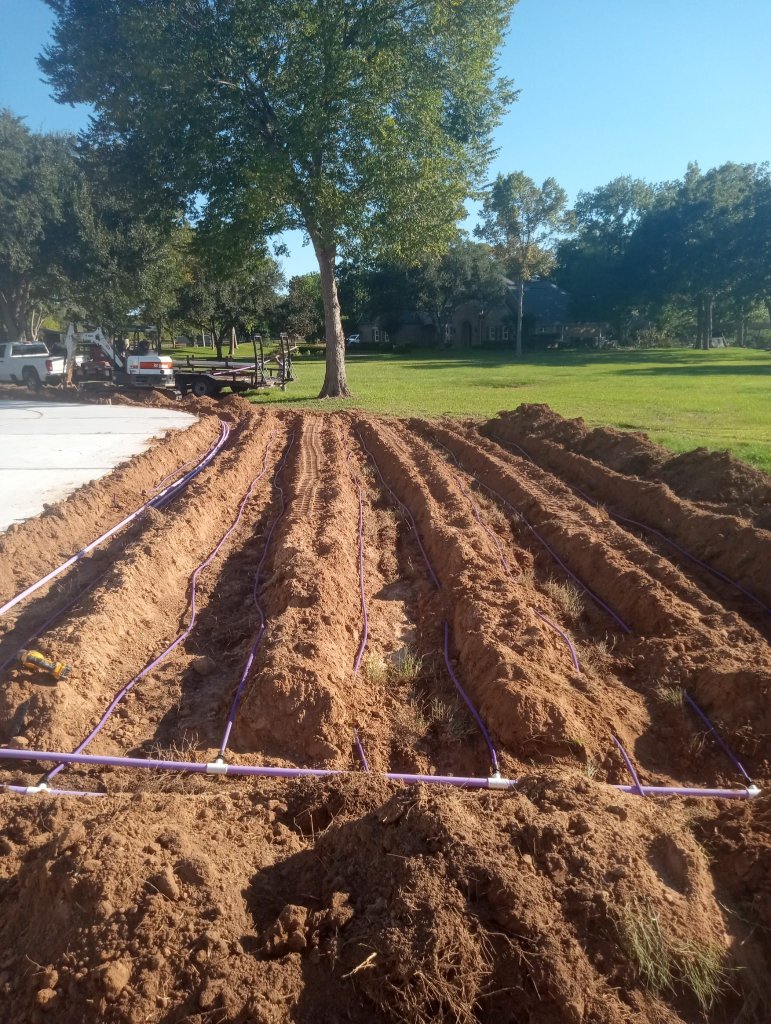
The drain field (also called a leach field) is where the final stage of wastewater treatment happens. Liquid effluent from your septic tank flows into the drain field, where soil naturally filters it before it returns to the groundwater. It's also the most expensive component of your septic system to replace — a failed drain field can cost $5,000 to $15,000+ to repair. Here's how to protect yours and extend its lifespan.
1. Pump Your Tank Regularly
This is the single most important thing you can do. When solids accumulate in your tank, they can overflow into the drain field, clogging the soil pores that allow effluent to filter through. Once the soil is clogged with solids, the drain field can't recover — it must be replaced. Pump every 3 to 5 years (or as recommended for your household) to prevent this.
2. Don't Drive or Park on the Drain Field
The soil in your drain field needs to remain porous and uncompacted. Vehicles, heavy equipment, and even livestock can compact the soil, crushing the distribution pipes and reducing the soil's ability to absorb effluent. Keep all vehicles and heavy animals off the drain field area.
3. Don't Build Over the Drain Field
Never build sheds, patios, pools, or other structures over your drain field. The weight can compact soil and damage pipes, and the structure prevents proper evaporation and oxygen exchange. Keep the drain field area clear and open.
4. Manage Water Usage
Excessive water use overwhelms your drain field by sending more effluent than the soil can absorb. Spread out laundry loads, fix leaky fixtures promptly, and install water-efficient fixtures. The less water you send through your system at once, the better your drain field performs.
5. Keep Trees and Shrubs Away
Tree roots are naturally drawn to the moisture in your drain field. They can invade and clog distribution pipes, causing serious damage. Avoid planting trees or large shrubs near the drain field. Grass is the best ground cover for the area.
6. Divert Surface Water
Rainwater should flow away from your drain field, not toward it. Ensure your property grading directs runoff away from the drain field area. Downspouts should also be directed away. Saturated soil can't absorb effluent, leading to system failure.
7. Use Septic-Safe Products
Harsh chemicals kill the beneficial bacteria that break down waste in your septic system. Use septic-safe toilet paper, avoid antibacterial soaps, and never pour bleach, paint, or chemicals down your drains. Without healthy bacteria, your system can't function properly.
8. Don't Use a Garbage Disposal
Garbage disposals add food solids to your septic tank, increasing sludge accumulation by 20–30%. These solids can overflow into the drain field and cause premature failure. Compost food waste instead.
Signs of Drain Field Problems
Watch for these warning signs:
- Standing water or wet, spongy ground above the drain field
- Unusually lush, green grass over the drain field (even during dry weather)
- Slow drains or sewage odors
- Sewage backing up into the home
If you notice any of these, call a professional immediately. Early intervention can sometimes save a struggling drain field before complete failure.
Schedule a Drain Field Inspection
At Aqua Star Well and Septic, we've been maintaining and repairing drain fields throughout the greater Houston area since 1976. If you're concerned about your drain field or due for a septic inspection, call us at 936-931-2443. We'll assess your system honestly and recommend the best course of action.
Need Well or Septic Service?
Our licensed, insured team has served the greater Houston area since 1976. We're available seven days a week.
Call (936) 931-2443