
Water Well Drilling 101: What to Expect from Start to Finish
Thinking about drilling a water well on your property? Here's a complete walkthrough of the process from site assessment to water flowing from your tap.
Aqua Star Team
Aqua Star Well and Septic, LLC
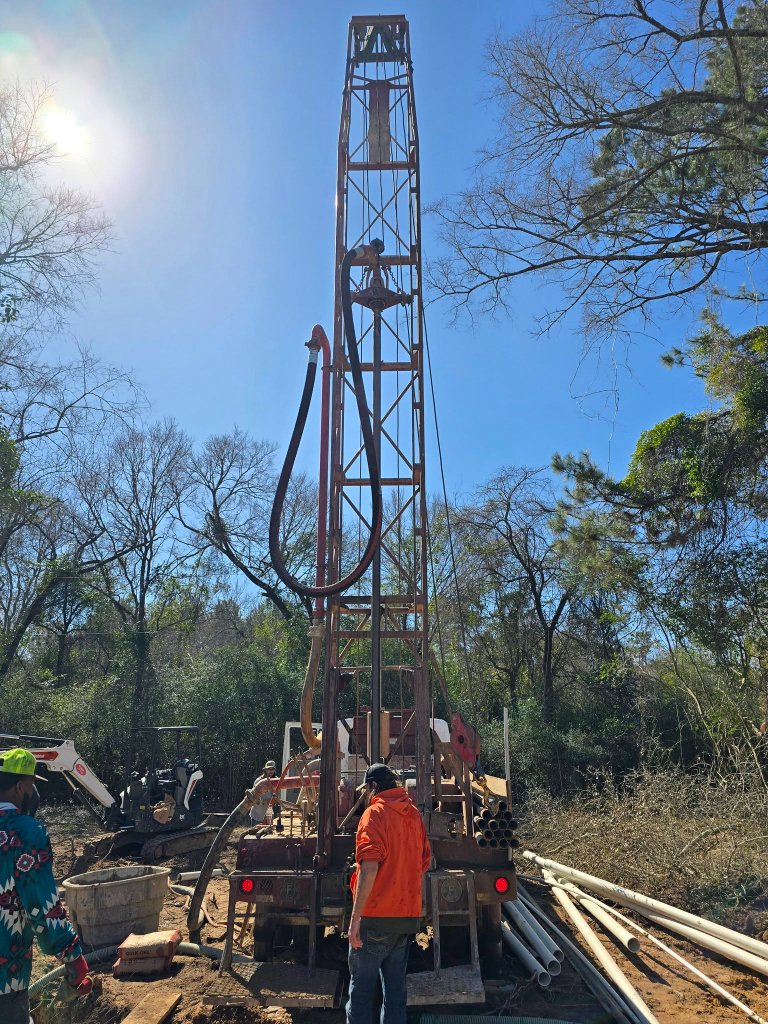
Drilling a water well on your property provides independence from municipal water systems, lower utility costs, and access to clean, fresh water from the aquifer beneath your land. If you're considering a water well, here's what to expect throughout the process.
Step 1: Site Assessment
Before any drilling begins, a professional evaluates your property to determine the best well location. Factors include:
- Distance from potential contamination sources — Septic systems, fuel tanks, and livestock areas must be a safe distance away
- Accessibility — The drilling rig needs room to maneuver
- Aquifer depth — Local geological data helps estimate how deep we'll need to drill
- Property layout — We work with your existing structures and planned improvements
Step 2: Permitting
In Texas, water wells must be permitted and installed to TDLR (Texas Department of Licensing and Regulation) standards. We handle all the paperwork and permitting so you don't have to navigate the regulatory process yourself.
Step 3: Well Design
Based on the site assessment, we design your well system:
- Depth — Most Houston-area wells range from 100 to 500 feet
- Casing — Steel or PVC casing lines the borehole to prevent collapse
- Pump size — Matched to your water demand and well depth
- Pressure tank — Sized for your household or business needs
Step 4: Drilling
Our drilling rig bores into the ground to reach the target aquifer. During drilling, we:
- Monitor geological formations to confirm we've reached a productive aquifer
- Install the casing and PVC liner
- Create a grout seal around the casing to prevent surface contamination from entering the aquifer
Drilling typically takes 1 to 3 days depending on depth and geological conditions.
Step 5: Pump and Tank Installation
Once the well is drilled and cased, we install the components that bring water to your home:
- Submersible pump — Lowered into the well to push water to the surface
- Pressure tank — Stores pressurized water so the pump doesn't run every time you turn on a faucet
- Control box — Manages pump operation
- Plumbing connections — Connects the well system to your home's plumbing
Step 6: Testing and Activation
Before we turn the system over to you, we:
- Test flow rate — Confirm the well produces adequate water
- Test water quality — Basic testing for common contaminants
- Verify pressure — Ensure the system maintains proper water pressure
- Walk through operation — We show you how the system works and explain maintenance
How Long Does It Take?
From site assessment to water flowing, a typical residential well project takes 1 to 2 weeks. The drilling itself is usually 1 to 3 days; the rest is permitting, pump installation, and testing.
How Much Does It Cost?
A complete residential well installation in the greater Houston area typically costs $8,000 to $20,000+ depending on depth, pump size, and system requirements. We provide free, detailed estimates after assessing your property. Financing is available.
Is Well Water Safe?
Water from properly constructed wells tapping the Gulf Coast Aquifer is generally safe to drink. We test every new well before activation. For complete peace of mind, we recommend a comprehensive water quality test through a certified laboratory.
Ready for Your Own Water Well?
At Aqua Star Well and Septic, we've been drilling water wells across Harris, Montgomery, and Fort Bend counties since 1976. Our experience with local geology means we know exactly where and how deep to drill. Call 936-931-2443 to schedule your free site assessment.
Need Well or Septic Service?
Our licensed, insured team has served the greater Houston area since 1976. We're available seven days a week.
Call (936) 931-2443