
Is Your Well Water Safe? Understanding Water Quality Testing
Private well water isn't regulated like municipal water. Here's what you should test for, how often, and why it matters for your family's health.
Aqua Star Team
Aqua Star Well and Septic, LLC
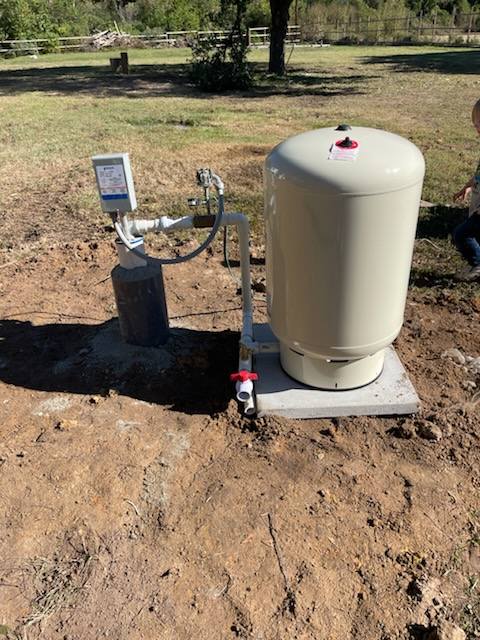
If you get your water from a private well, you're responsible for ensuring it's safe to drink. Unlike municipal water, which is continuously monitored and treated, private well water is unregulated — meaning testing is entirely up to you. Here's what you need to know about well water quality testing.
Why Test Your Well Water?
Well water comes from underground aquifers. While groundwater is generally clean, it can be contaminated by:
- Naturally occurring minerals — Iron, calcium, sulfur, and arsenic
- Agricultural runoff — Pesticides, herbicides, and fertilizers
- Bacteria — Coliform and E. coli from animal waste or failing septic systems
- Industrial contamination — Chemical spills or legacy pollution
- Flooding — Storm water can introduce contaminants into aquifers
What Should You Test For?
Bacteria (Coliform and E. coli)
This is the most important test. Coliform bacteria indicate that surface water may be entering your well, and E. coli indicates fecal contamination. If either is present, your water is not safe to drink without treatment.
Nitrates
High nitrate levels are especially dangerous for infants, causing "blue baby syndrome" (methemoglobinemia). Nitrates typically come from agricultural fertilizer or failing septic systems.
pH and Hardness
Acidic water (low pH) can corrode pipes and leach metals into your water. Hard water (high calcium and magnesium) leaves scale buildup on fixtures and appliances.
Iron and Manganese
Common in Houston-area wells, iron causes staining and metallic taste. Manganese can cause black staining and neurological issues at high levels.
Sulfur (Hydrogen Sulfide)
Sulfur gives water a "rotten egg" smell. While not usually a health hazard, it's unpleasant and can corrode plumbing.
Other Contaminants
Depending on your location, you may also want to test for:
- Arsenic (naturally occurring in some Texas aquifers)
- Lead (from older plumbing)
- Pesticides and herbicides (if near agricultural areas)
- Volatile organic compounds (VOCs)
How Often Should You Test?
- Annually — Bacteria, nitrates, pH, and basic water chemistry
- Every 3–5 years — Comprehensive testing including minerals and chemicals
- After any flooding — Floodwater can contaminate your well
- If you notice changes — Unusual taste, smell, color, or staining
- Before purchasing a property — Always test well water during real estate due diligence
How to Get Your Water Tested
While home test kits exist, they're limited in accuracy and scope. For reliable results, use a certified laboratory. At Aqua Star Well and Septic, we can:
- Collect proper water samples (incorrect collection can invalidate results)
- Arrange testing through a certified laboratory
- Interpret results and recommend treatment if needed
- Install water treatment systems if contamination is found
What If Contaminants Are Found?
Don't panic — most water quality issues are treatable. Common solutions include:
- Water softeners for hard water
- Iron filters for iron and manganese
- UV purification or chlorination for bacteria
- Reverse osmosis systems for a wide range of contaminants
- Well shock chlorination for bacterial contamination
Protect Your Family's Health
Clean, safe water is essential. If it's been more than a year since your last well water test — or if you've never tested your well — call Aqua Star Well and Septic at 936-931-2443. We'll help you understand what's in your water and ensure it's safe for your family. Serving the greater Houston area since 1976.
Need Well or Septic Service?
Our licensed, insured team has served the greater Houston area since 1976. We're available seven days a week.
Call (936) 931-2443